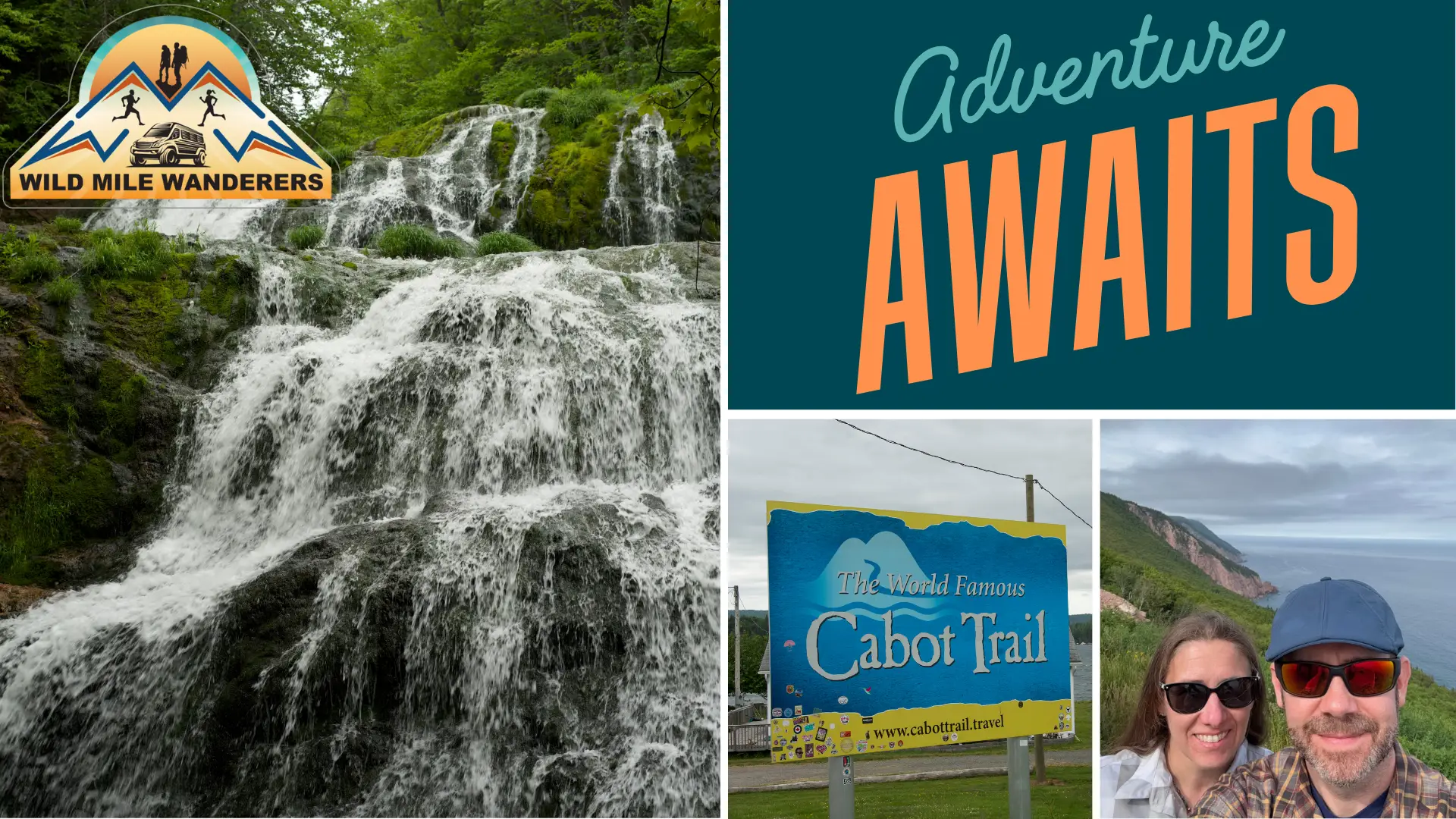
Welcome to our Maritime Canada Road Trip Adventure series—where Atlantic Canada’s hidden gems, natural mysteries, and warm hospitality create the perfect recipe for unforgettable memories.
When we first plotted our route through New Brunswick and Nova Scotia, we knew we were in for something special. The Canadian Maritimes have a reputation for breathtaking coastlines, rich cultural heritage, and the kind of genuine hospitality that makes strangers feel like family. What we didn’t expect was just how quickly this region would capture our hearts—starting from our very first night tucked away in a Maine vineyard that set the stage for everything to come.
During the first three days of our trip, we’ll be traveling from New Hampshire through Maine and into New Brunswick before making it to Cape Breton Island in Nova Scotia. We’ll be making multiple stops along with way to take in some interesting road side attractions well taking in the stunning scenery.
A Vineyard Introduction to Maritime Hospitality
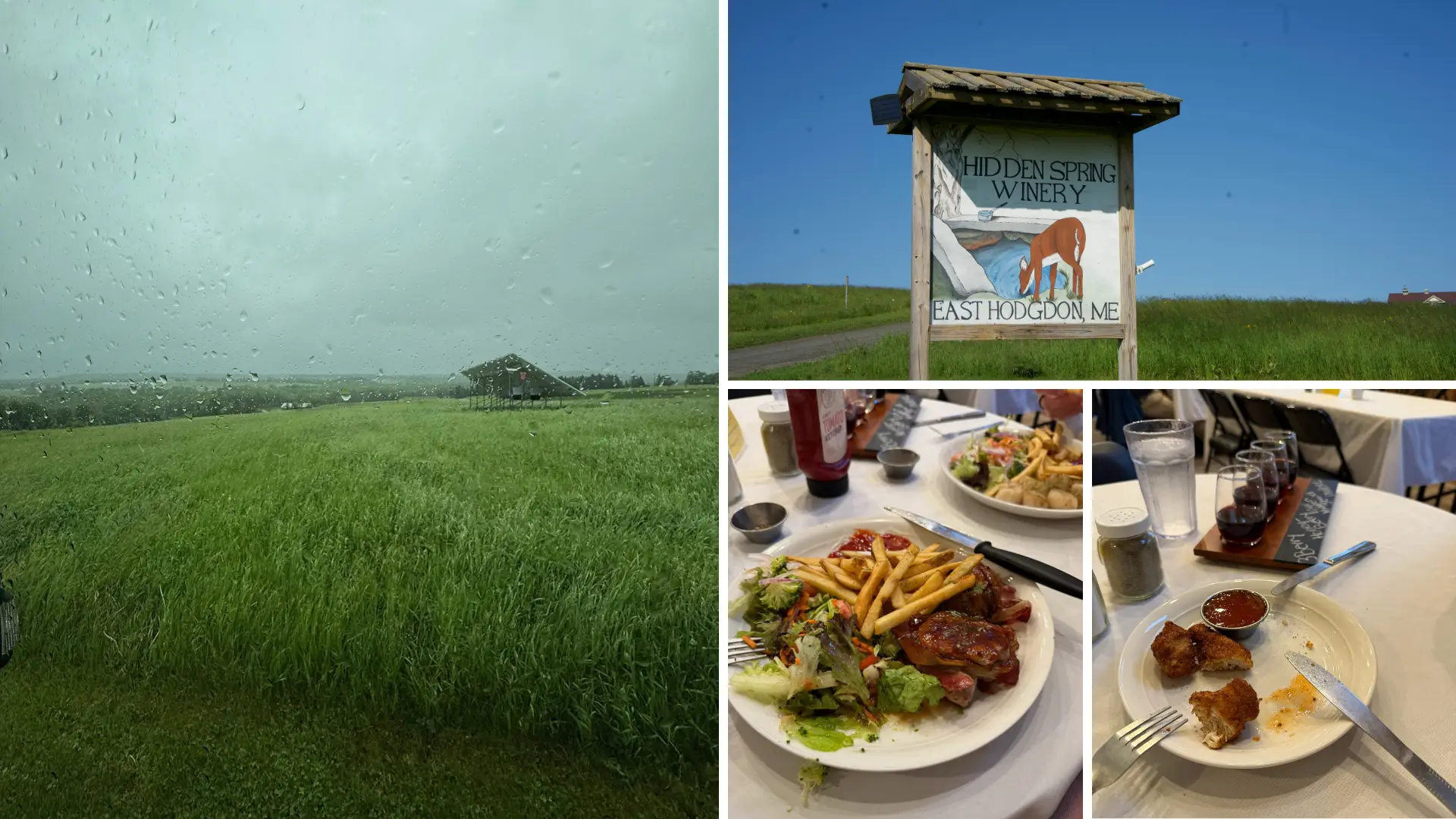
Our adventure officially began at Hidden Springs Winery, in East Hodgdon, Maine, where we experienced our first-ever Harvest Host stay. If you’ve never heard of Harvest Hosts, imagine camping but instead of a tradition RV campsite you’re staying in the middle of a working farm, winery, brewery, or some other interesting property.
Before we’d even arrived, our hosts reached out to see if we would be interested in dinner reservations. In a world where hospitality often feels scripted, this personal touch felt genuinely special. As rain drummed against our RV that first evening, we found ourselves savoring a wine flight paired with the most perfectly prepared chicken tenders (yes, elevated bar food at its finest) and exquisite main courses of pork tenderloin and scallops.
The real magic happened the next morning. When we woke to clear skies, the vineyard revealed its true splendor—rolling hills, morning mist dancing across the valleys, and views that made leaving feel almost criminal. Standing there with watching the landscape come alive in golden light, we realized this wasn’t just a convenient overnight stop. It was our first taste of the unhurried pace and natural beauty that would define our entire Maritime experience.
Rolling Through New Brunswick: Where Roadside Stops Become Adventures
The World’s Largest Axe: A Testament to Forest Heritage
Day two brought into New Brunswick, Canada, where we discovered that theprovince has mastered the art of the memorable roadside attraction. Our first stop in Nackawic introduced us to the World’s Largest Axe—a 49-foot monument, created in 1991, that might sound kitschy but actually tells a profound story about the region’s forestry heritage.
This is just the first larger-than-life tributes to local industry we’ll find on this trip. Sitting in that waterside park, surrounded by the very forests that built these communities, the giant axe felt less like a tourist gimmick and more like a proud declaration: “This is who we are, and this is what matters to us.”
The Mystery of Magnetic Hill: When Physics Plays Tricks
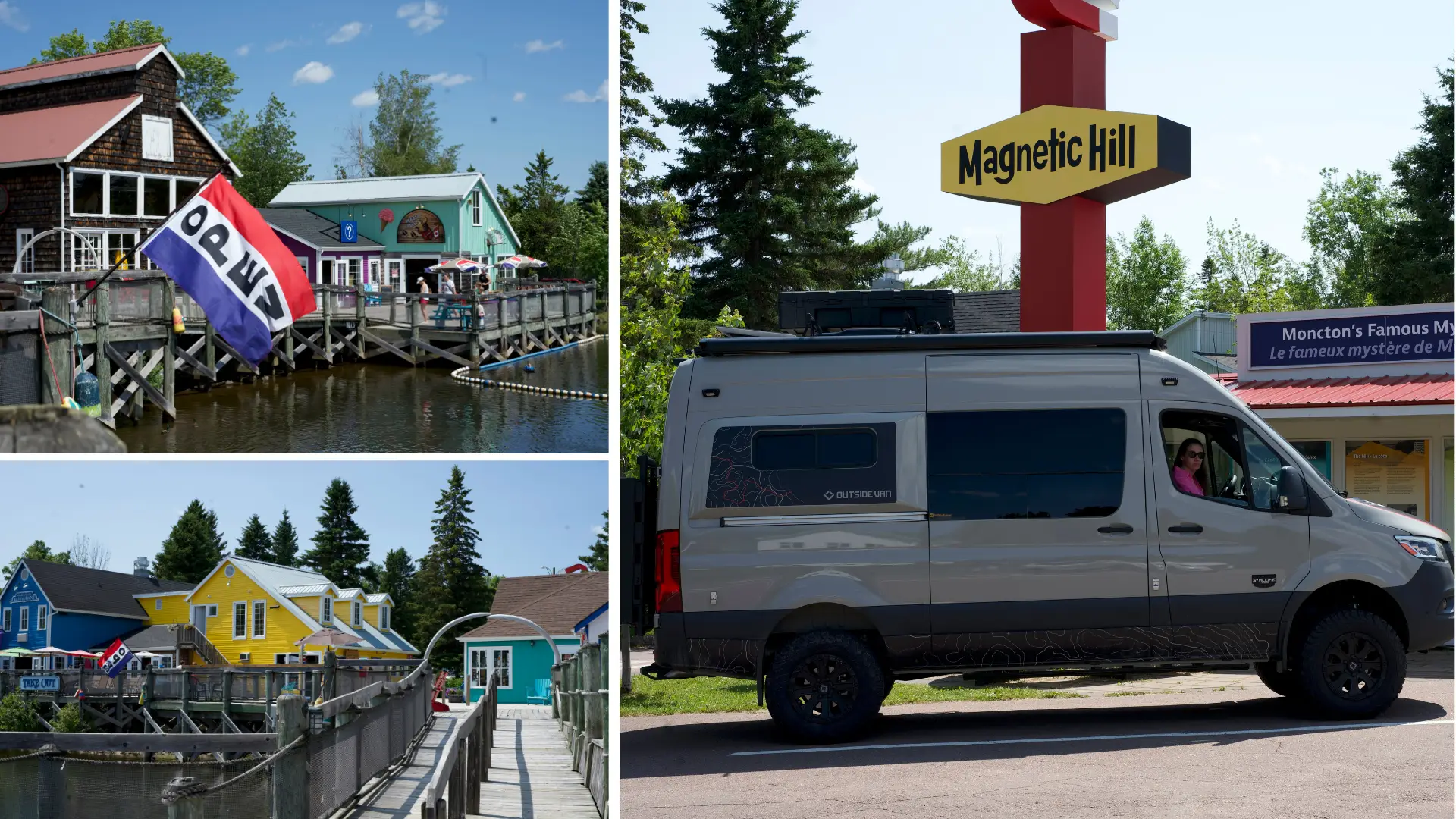
But nothing—and I mean nothing—prepared us for Magnetic Hill in Moncton.
Picture this: you put your car in neutral at the bottom of what appears to be a hill, release the brake, and watch in amazement as your vehicle rolls “uphill” on its own. Is it magnetism? Supernatural forces? Aliens with a sense of humor?
The truth is beautifully simple yet mind-bending: it’s one of nature’s most convincing optical illusions. The surrounding landscape creates such a perfect trick of perspective that what looks like an uphill slope is actually a gentle downhill grade. Your brain, relying on visual cues from the horizon and surrounding terrain, simply gets it wrong. Gravity works exactly as it should—but your eyes insist otherwise.
What struck us most was the history behind this phenomenon. In the 1930s, a resourceful young woman recognized the site’s potential, named it “Magnetic Hill,” and began selling ice cream to growing crowds of curious visitors. By the 1950s, this simple roadside mystery had become Canada’s third-largest tourist attraction, drawing visitors from around the world to experience this delightful trick of nature.
Standing there, watching car after car roll up that “hill,” we couldn’t help but smile at the pure joy on every face. In an age of digital entertainment and virtual experiences, there’s something refreshingly analog about this wonder that requires nothing more than parking your car and trusting your senses—even when they’re lying to you.
There are multiple attractions at Magnetic Hill including a zoo, water park and wharf village. Since we still had a packed day planed we grabbed a quick bit at the Magnetic Hill Wharf Village before heading off to the next exciting site.
Shediac’s Giant Welcome
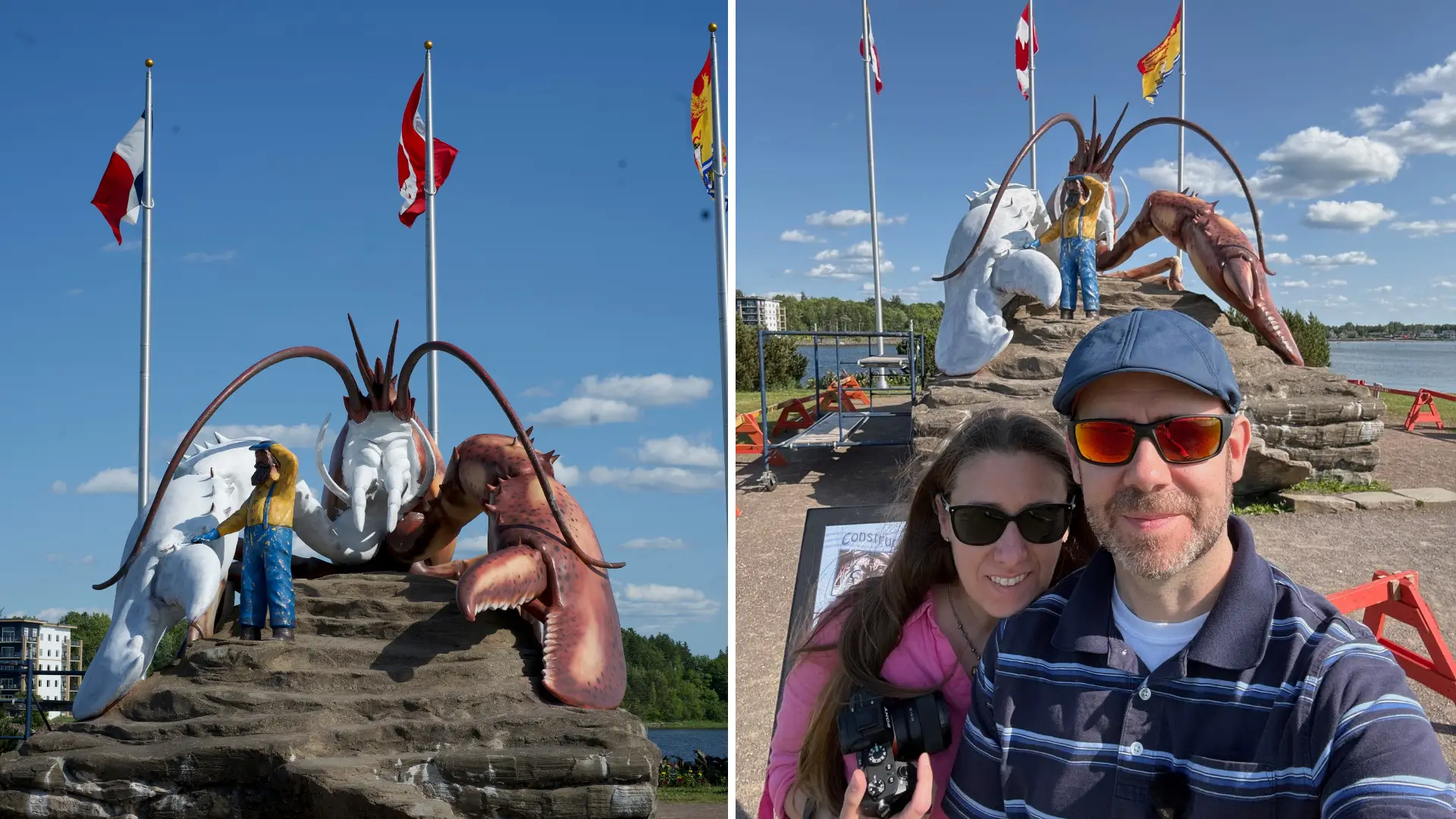
Our roadside wonder tour culminated in Shediac, where a 35-foot-long, 16-foot-tall lobster monument has been welcoming visitors since 1989. As the self-proclaimed “Lobster Capital of the World,” Shediac takes its crustacean heritage seriously.
Walking around that giant lobster (and yes, taking the obligatory photos), we started to understand something fundamental about Maritime culture. These aren’t just tourist attractions—they’re expressions of identity, community pride, and the understanding that sometimes the best way to honor what makes you unique is to make it impossible to miss.
Tidal Bore Viewing: Timing Nature’s Spectacle
Bay of Fundy region offers some of the world’s most impressive tidal phenomena. The timing of our itinerary didn’t allow us to include tidal bore viewing during this part of our trip. Look for a future post where we got a muddy and wet front row seat to the tidal bore. If you are planning to witness this natural wonder on a future Canadian Maritime trip, here are some of the prime viewing locations:
Fundy Tidal Interpretive Centre: Here you can also learn about the phenomenon that cause the tidal bore in addition to being able to view it
Tidal Bore Expert Timing Tips
Arrive at least 30 minutes before predicted bore time
Best bores occur during new and full moons
Check tide schedules at: www.tide-forecast.com or www.waterlevels.gc.ca
Spring tides (March-April, September-October) produce the most dramatic bores
Coastal Camping at Murray Beach: Where the Ocean Becomes Your Neighbor
Our first day concluded at Murray Beach Provincial Park Campground, positioned right on the Northumberland Strait. From our campsite, we had direct ocean views—the kind of setting that makes you wonder why anyone camps anywhere else. As the sun set over the water and the sound of gentle waves provided our evening soundtrack, we finally understood why this region has such a hold on people’s hearts.
There’s something about falling asleep to the rhythm of the ocean and waking up to saltwater horizons that recalibrates your entire sense of well-being. Murray Beach wasn’t just accommodation; it was our first full immersion into Maritime coastal living.
Crossing into Nova Scotia: Where Welcome Centers Tell Stories of Resilience
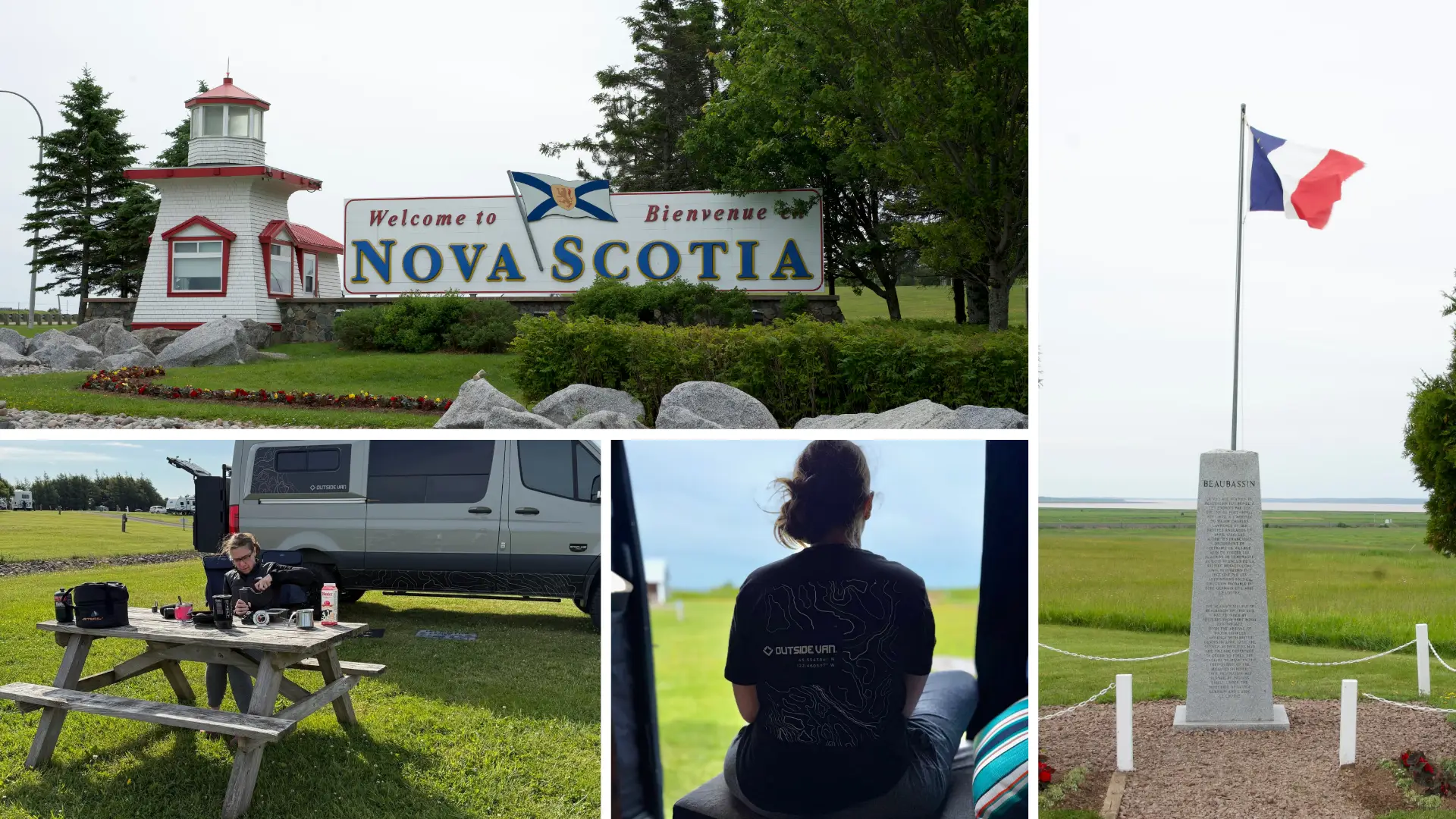
The third day of the trip began with some morning coffee and heading out on the drive to Cape Breton Island, Nova Scotia. Our transition from New Brunswick into Nova Scotia began with what we thought would be a quick pit stop at the Nova Scotia Visitor Information Centre—just long enough for a bathroom break and the obligatory photo in front of the welcome sign. But the Maritime provinces have a way of turning simple stops into profound discoveries. As we explored the visitor center, we learned that we were standing on historically significant ground: the site of the old Acadian village of Beaubassin along the Missaguash River.
Beaubassin, established in the 1670s, found itself tragically caught in the crossfire of British and French territorial disputes. This thriving Acadian community, which had flourished for decades along the river, became an unwilling pawn in imperial politics. The village was ultimately burned to the ground by French forces as part of the broader border dispute with the British. The memorial site serves as a poignant reminder of the Acadian people’s resilience and the complex colonial legacy that shaped the Maritime provinces. This was the trips first lesson in Acadian history—a became a story we’d revisit at multiple historic sites throughout our Nova Scotia journey.
Celtic Shores Coastal Trail: Pedaling Paradise
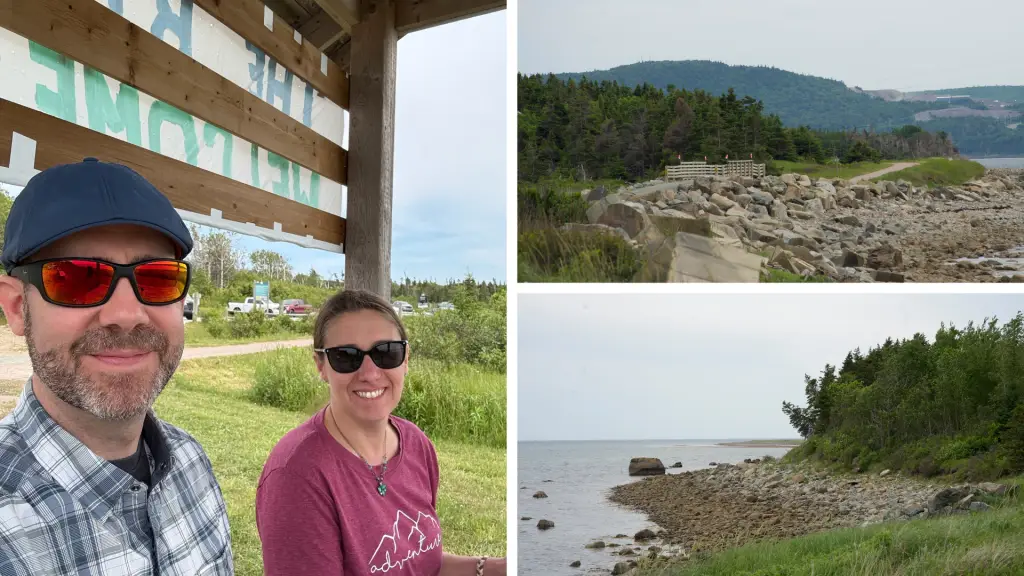
The Celtic Shores Coastal Trail stretches 92 kilometers from Port Hastings to Inverness, offering cyclists stunning coastal vistas and Celtic cultural immersion. While we only managed a brief picnic stop in Troy, the trail deserves dedicated exploration.
Local accommodations: Many inns and B&Bs offer complimentary or rental bikes
Trail Tips:
Download the official trail app for offline navigation
Pack layers—coastal weather changes quickly
Bring plenty of water and snacks—services are limited along remote sections
Check trail conditions, especially after storms
The Highland Welcome: Glenora Distillery
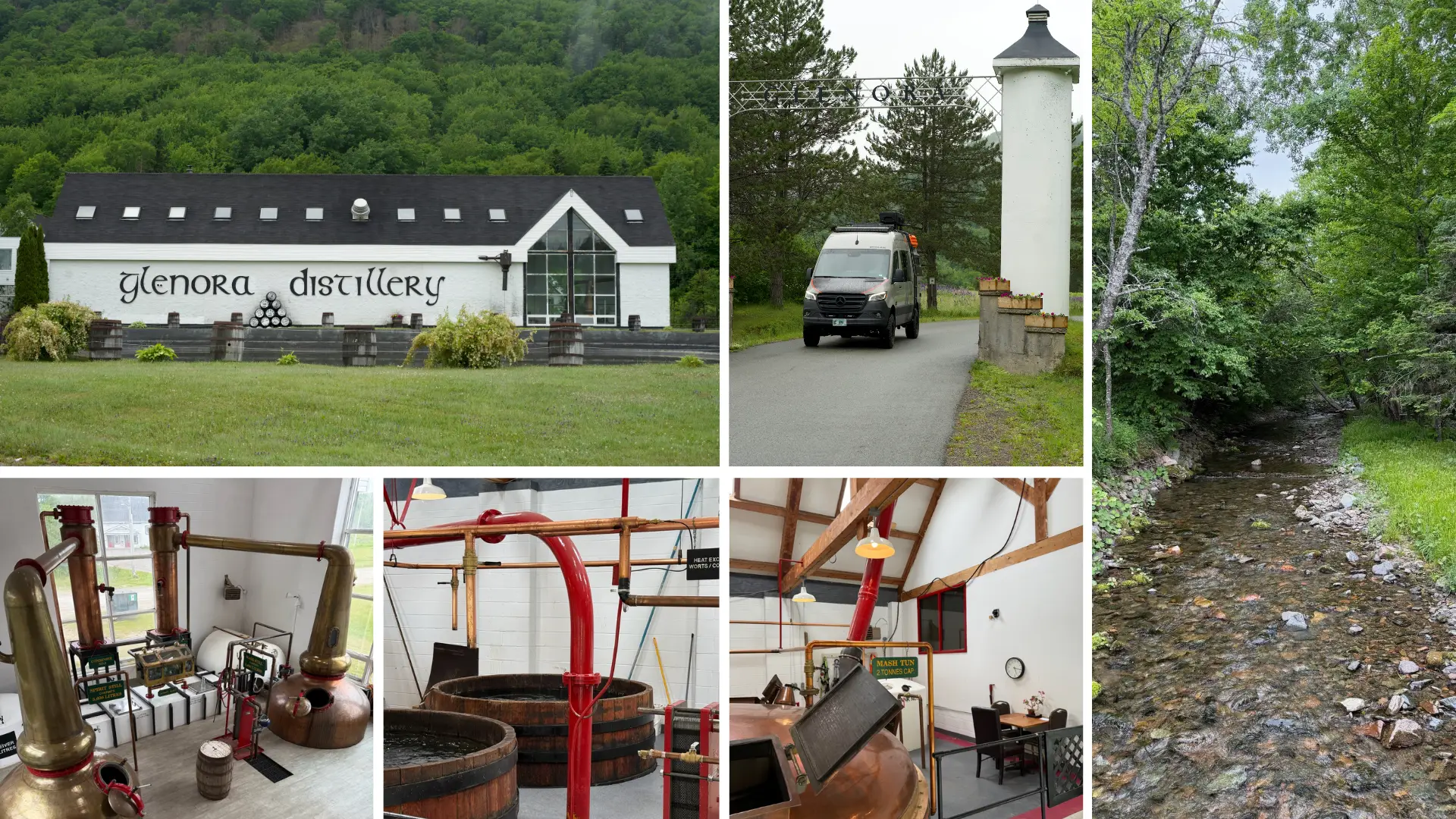
Our journey concluded at Glenora Inn & Distillery, Canada’s oldest single malt whiskey operation. Arriving just in time for the final tour at 5 PM, we discovered authentic Scottish heritage transplanted to Nova Scotia soil. The copper stills, shipped directly from Scotland, work in harmony with the property’s natural spring water to create distinctly Maritime single malt.
The evening unfolded with traditional pub fare enhanced by live music—a perfect soundtrack to our Maritime adventure’s crescendo. The combination of Highland hospitality and Nova Scotia’s rugged beauty created memories that lingered long after our final dram.
Distillery Visit Tips:
Tours run hourly until 5 PM (approximately 15-20 minutes)
Restaurant reservations recommended, especially during summer months
Try the 10-year single malt—it exemplifies the unique terroir
Watch Our Journey Unfold
We’ve captured all these moments and more in our YouTube video documenting this first leg of our Maritime adventure. From the vineyard views to the roadside marvels, you’ll get an immersive look at the first three days of our Canadian Maritime adventure.
Subscribe to our YouTube Channel
What’s Next: Highland Adventures and Innovative Legacies
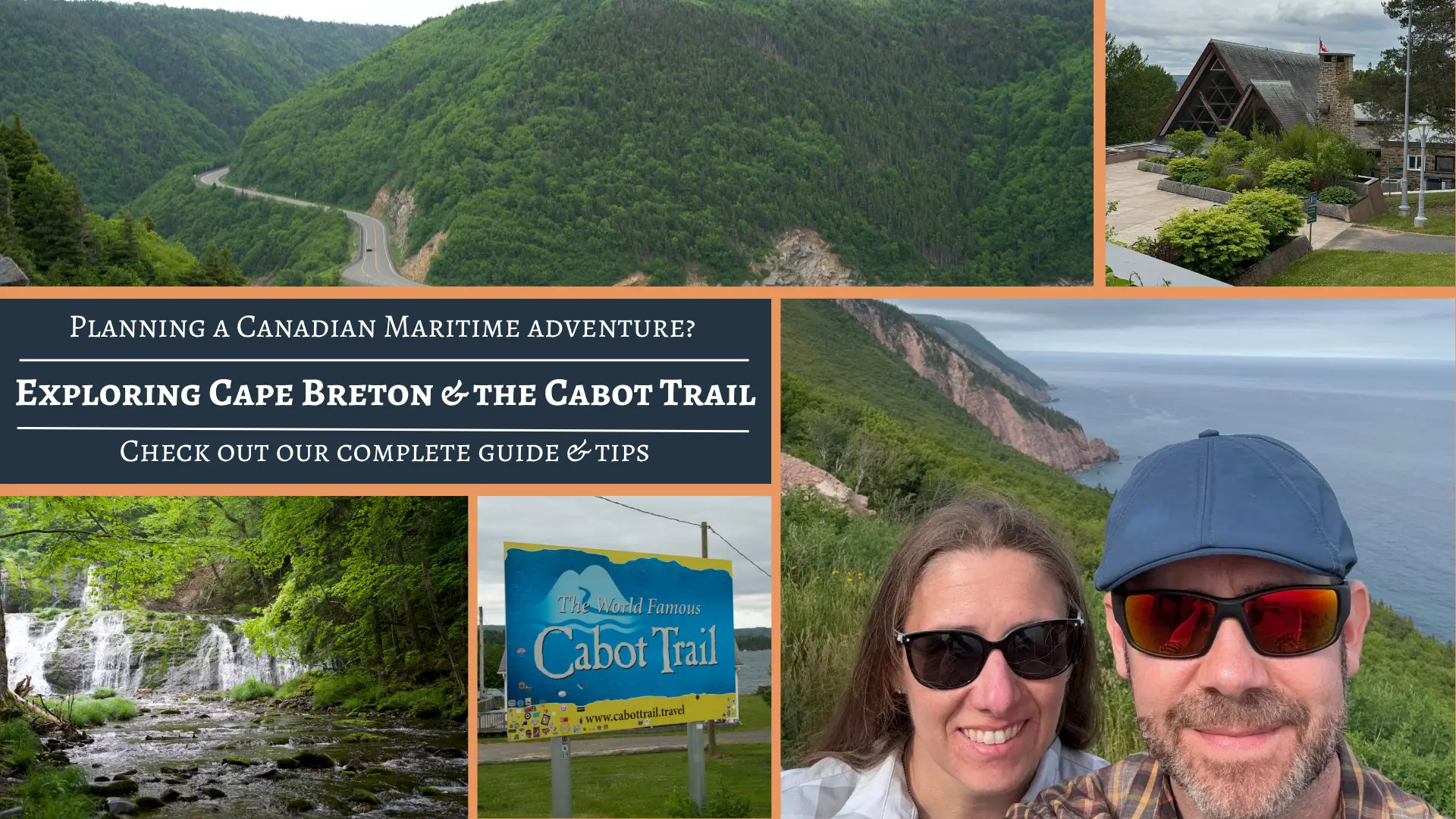
But our Maritime story is just beginning. In our next installment, we’ll take you to Cape Breton Ireland, where the landscape transforms into something almost mystical. Picture rugged highland vistas, coastal trails that seem to stretch into infinity, and a visit to the Alexander Graham Bell Museum that will change how you think about innovation and human curiosity.
We’ll share our discoveries in Cape Breton Highlands National Park, where every trail seems to lead to postcard-worthy views, and reflect on Bell’s incredible legacy while standing in the place where one of history’s greatest inventors chose to spend his later years. Trust us—if you think New Brunswick charmed us, wait until you see what Nova Scotia’s highland magic had in store.
The Maritime provinces have a way of surprising you at every turn, and our adventure was just getting started. Check out our complete journey here:
Stay tuned for Part 2, where highland adventures and innovative legacies await…
Have you explored the Maritime provinces? Share your own roadside discoveries and coastal camping favorites in the comments below:
we’d love to hear about your Atlantic Canada adventures!
Disclaimer: Some links in this post are affiliate links, meaning we earn a small commission if you make a purchase at no additional cost to you. We only recommend products and services we’ve personally tested during our travels and outdoor adventures.