

In an age where artificial intelligence promises to revolutionize every aspect of our lives, AI travel planning has emerged as a compelling use case. But how well do these digital travel agents actually perform compared to human expertise? Can AI really craft the perfect weekend getaway, or will algorithmic planning leave you stranded at closed attractions in the wrong shoes?
We recently put AI travel planning tools to the test, using various AI platforms, we compared itineraries created by popular AI models (ChatGPT, Gemini, and Perplexity) against recommendations from a human travel expert for a weekend trip to Portland, Maine. The results were enlightening, amusing, and occasionally surprising.
The Ultimate Travel Planning Showdown: AI vs. Human Expertise
Our experiment was straightforward but revealing: we challenged leading AI travel planning systems to create a winter weekend itinerary for Portland, Maine. We then followed these AI-generated recommendations to evaluate their real-world effectiveness compared to traditional planning methods. After putting these plans to the practical test, we identified five key takeaways that anyone considering AI for travel planning should know.
Top 5 Takeaways from Our AI Travel Planning Experiment
5. Hotel Recommendations: Close But Not Quite Perfect
The Challenge: All AI models provided adequate hotel options meeting our basic criteria, but with some notable misses.
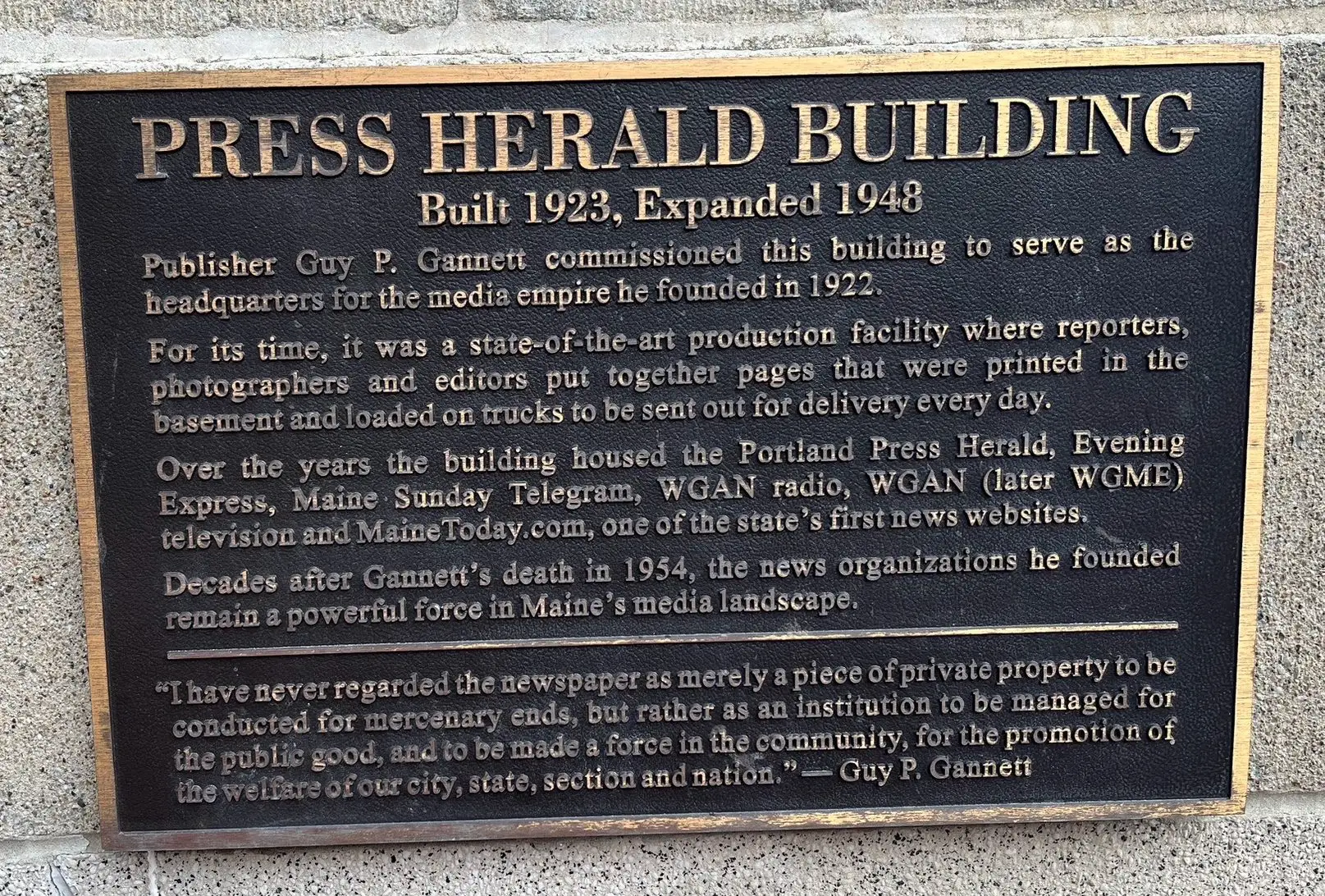
One model confused Portland, Maine with Portland, Oregon – providing an address for a Sheraton instead of the requested Marriott property. More importantly, none of the AI tools recommended The Press Hotel, where we ultimately stayed, which perfectly matched our requirements and enhanced our trip.
Real-world Impact: Through human research, we found a better accommodation option than any AI recommendation.
The Lesson: AI hotel recommendations can provide a starting point for accommodations but may miss exceptional options that experienced travelers or locals would know to suggest.

4. Dining Recommendations: A Mixed Plate
The Mixed Results: AI’s restaurant recommendations revealed both strengths and limitations in understanding nuanced dining preferences.
On the positive side, AI suggested Duck Fat, which turned out to be one of the best meals of our trip. However, despite our explicit request for non-seafood options in a seafood-centric city, most AI recommendations still heavily featured seafood restaurants.
Most notably, our AI travel planners seemed to forget that travelers need breakfast too! The models provided lunch and dinner options but almost no breakfast recommendations beyond a coffee shop and a donut place.
Real-world Impact: This oversight meant additional research each morning to find breakfast options, but it did lead us to discover Becky’s Diner, where we enjoyed an incredible breakfast.
The Lesson: Current AI travel planning technology still struggles with holistic meal planning and truly understanding preference exclusions.



3. Discovering Hidden Gems: The Cryptozoology Museum Surprise
The Unexpected Win: Sometimes the most memorable travel experiences come from places you’d never think to visit on your own.
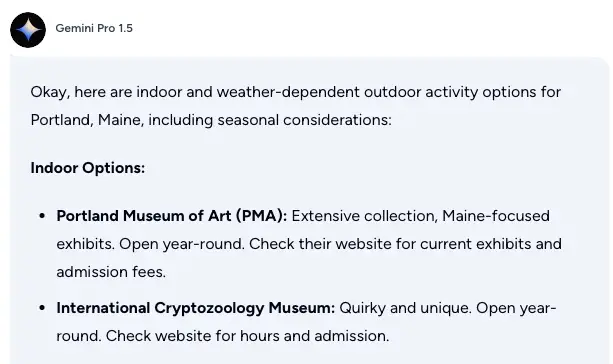
Gemini Pro recommended Portland’s International Cryptozoology Museum – a quirky, unusual attraction that wasn’t on our radar. Despite initial skepticism, this unexpected suggestion turned into one of the trip’s highlights, offering a unique experience that traditional planning might have overlooked.
Real-world Impact: Without this AI recommendation, we would have likely stuck to familiar, mainstream attractions and missed this delightfully offbeat museum.
The Lesson: AI travel itinerary creation excels at suggesting attractions without human biases or preconceptions, potentially leading to more diverse and surprising experiences.

2. Practical Advice That Saved Our Trip (When We Listened)
The Win: While AI might miss on some specifics, it excelled at practical travel advice based on destination conditions.
All AI models recommended bringing appropriate winter gear – hats, gloves, and proper footwear – for the snowy Portland conditions. This seemingly obvious advice proved invaluable when one of our travelers (who ignored these recommendations) nearly took several tumbles on icy paths, particularly at Portland Head Light.
Real-world Impact: Throughout the trip, we encountered dangerously slippery conditions that could have been easily navigated with the right footwear, exactly as the AI had suggested.
The Lesson: AI travel planners can provide valuable practical insights, especially when traveling to climates or environments different from your home region – but only if you heed their advice!

1. AI's Achilles Heel: Outdated or Seasonal Information
The Challenge: The most significant limitation we discovered was AI’s confidence in recommending attractions that were closed for the season or operating with reduced winter hours.
In Portland, multiple AI models suggested visiting attractions like the Victoria Mansion that were closed for the winter season. This revealed a fundamental flaw in automated travel planning: without access to real-time data, these tools can’t reliably account for:
- Seasonal closures
- Changing business hours
- Recently closed establishments
- Special events affecting availability
Real-world Impact: Imagine trudging through snow to visit a historic mansion, only to find a “Closed for Season” sign on the door. This isn’t just disappointing; it can derail your entire day’s carefully planned itinerary.
The Lesson: Always verify operating hours and seasonal availability before committing to AI-recommended attractions. Cross-reference your AI travel itinerary with current information from official websites.

AI vs. Traditional Travel Planning: The Key Differences
Through this experiment, we identified several fundamental differences between AI travel planning approaches and human expertise:
Organization and Efficiency
- AI Advantage: All the AI tools produced highly structured, organized recommendations that made initial planning efficient. The formatted outputs were easy to scan and compare.
- Human Advantage: Human planners excel at curating options based on experience and current knowledge, eliminating the need for extensive verification.
Contextual Understanding
- AI Limitation: AI often missed subtle contextual details, like the need for three meals a day or truly understanding what “beyond seafood” meant in restaurant preferences.
- Human Advantage: Human planners intuitively understand these contextual needs without explicit instructions and will ask follow-up questions for clarification.
Real-time Knowledge
- AI Limitation: Without access to current information, AI confidently recommended closed or seasonally unavailable attractions.
- Human Advantage: Local expertise and up-to-date knowledge help human planners avoid seasonal pitfalls.
Unexpected Discoveries
- AI Advantage: Free from human habits and biases, AI sometimes suggests unexpected attractions (like the Cryptozoology Museum) that turn out to be highlights.
- Human Advantage: Experienced travelers can draw from personal networks and experiences to recommend truly hidden gems not found in standard databases.
The Future of AI in Travel Planning
Our experiment suggests that AI travel planning tools have tremendous potential but aren’t quite ready to replace human expertise entirely. The ideal approach appears to be a hybrid model:
- Use AI to generate structured initial plans and discover unexpected attractions
- Apply human judgment to verify details and ensure recommendations match personal preferences
- Fill gaps in AI planning (like breakfast options!) with supplemental research
- Cross-reference recommendations with current information from official sources
As AI travel technology gains access to more real-time data and improves contextual understanding, we expect the quality of recommendations to increase dramatically. For now, think of AI as your travel planning assistant rather than your complete travel agent.
Ready to Try AI Travel Planning?
If you’re interested in exploring AI travel planning for your next vacation, here are some recommendations to get started:
- Try multiple AI platforms to compare results
- Be specific about your preferences, dietary restrictions, and accessibility needs
- Always verify operating hours, reservations, and seasonal availability
- Use AI recommendations as a starting point, not the final word
Have you experimented with AI travel planning? Did it lead you to unexpected discoveries or leave you stranded at closed attractions? Would you trust an AI-generated itinerary for your next vacation, or do you prefer traditional planning methods?
Share your experiences in the comments below – we’d love to hear how AI travel planning tools have worked for you! If you’ve found particularly effective strategies for using AI in your travel preparations, your fellow travelers would certainly appreciate your insights.
If you enjoyed this deep dive into AI travel planning, don’t forget to check out our full YouTube videos to see the entire experiment in action, including those almost-wipeout moments on the icy Portland paths! Subscribe to our channel for more travel tips.

