
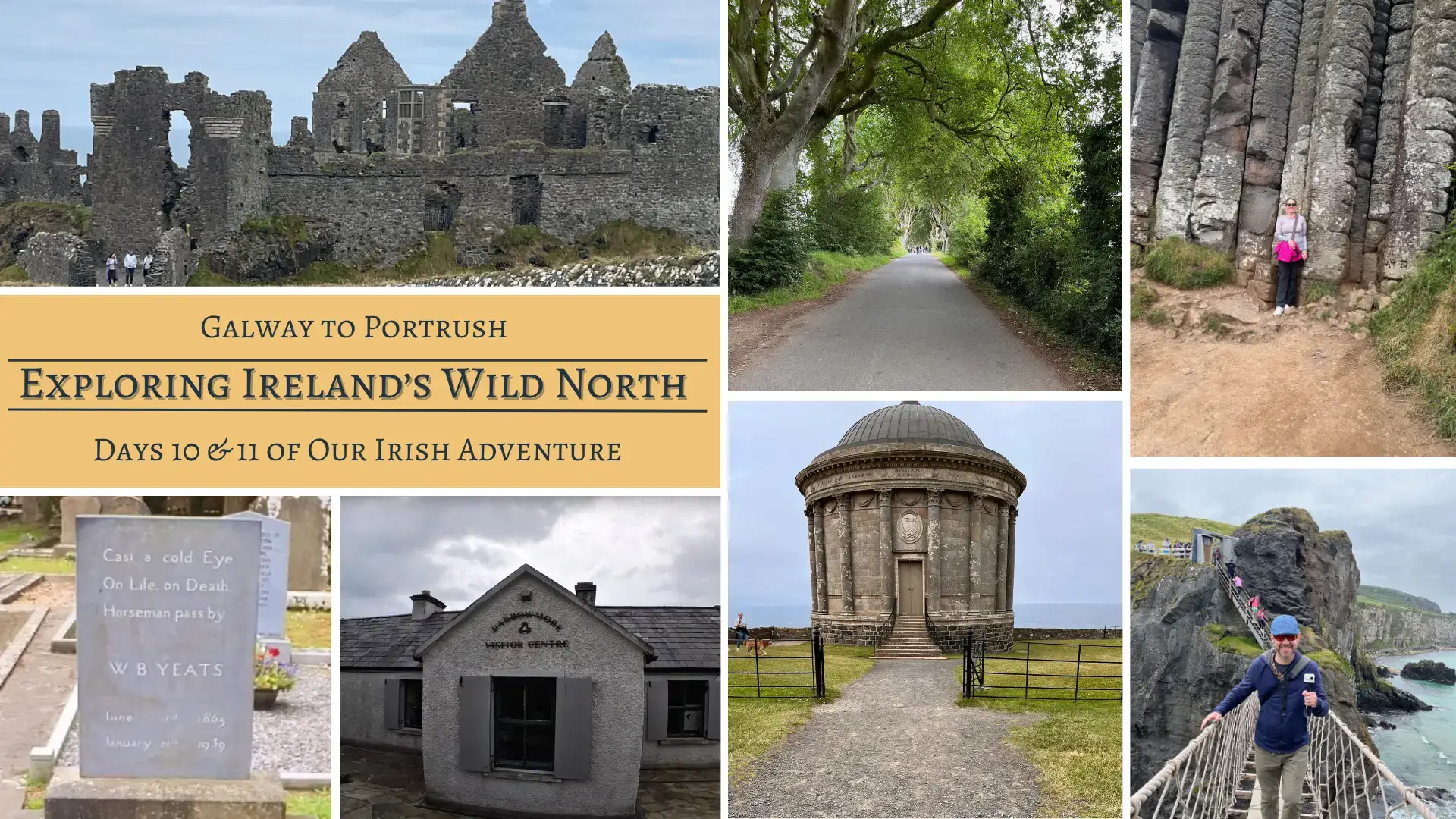
Journey to Northern Ireland's Spectacular Coastline
As our Irish adventure continued into its second week, we found ourselves transitioning from the cultural charm of Galway to the rugged, dramatic landscapes that make Northern Ireland coastal wonders world-famous. These two remarkable days of our trip took us from ancient megalithic sites to breathtaking coastal formations, uncovering the geological marvels that have defined Northern Ireland’s coastline for millennia. The journey from Galway to Port Rush offered not just spectacular scenery but a fascinating glimpse into Ireland’s prehistoric past, literary heritage, and the dramatic coastal features that have made this region a perfect backdrop for the hit fantasy series Game of Thrones.
The Historic Route to Northern Ireland's Coast
The Great Northern Drive
Leaving Galway behind, we embarked on what would be one of our longest driving days of the trip—nearly five hours covering over 200 miles of Irish countryside. Rather than making it a simple point-to-point journey, we transformed our travel day into a discovery of historical wonders along the route to Northern Ireland’s celebrated coastline.
Carrowmore: Ancient Stones on the Path to the Coast
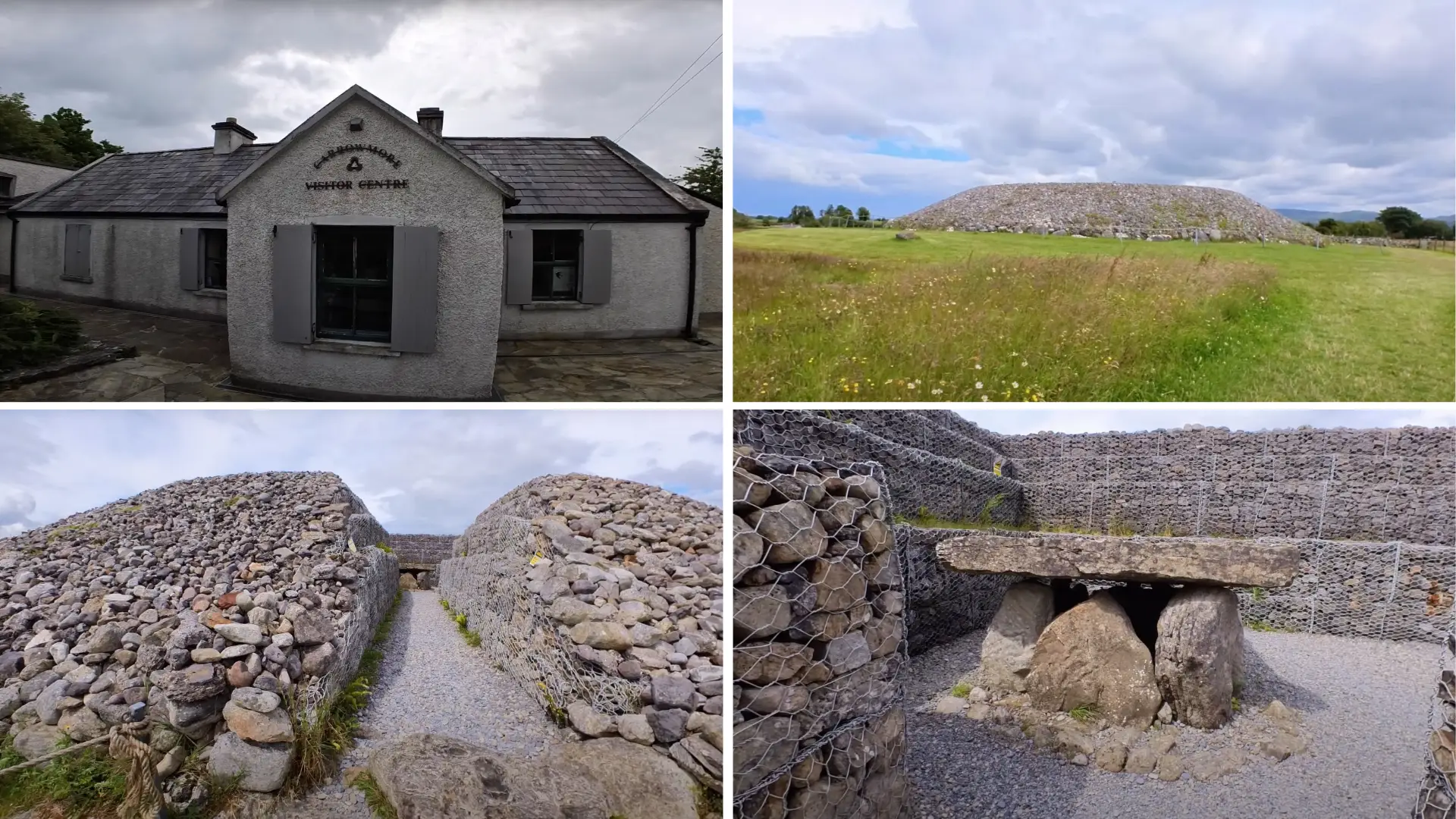
Our first significant stop came at Carrowmore Megalithic Cemetery, a hidden gem that provides the perfect break on any journey toward Northern Ireland’s coastal wonders. This archaeological treasure offered a profound connection to Ireland’s ancient inhabitants.
Upon arrival at the Carrowmore Visitor Center, we received an informative guide detailing the various megalithic monuments scattered throughout the site. What makes Carrowmore particularly special is that some of these structures date back almost 6,000 years, making them among the oldest megalithic monuments in Ireland.
The site contains over 35 passage tombs, each with its own unique characteristics and level of preservation. We explored several notable tombs including #21, where both the outer and inner boundary circles remain remarkably intact. Tomb #57 exemplified the fascinating “monument pairing” that archaeologists have noted regularly occurs at Carrowmore.
One of the most interesting aspects of our visit was learning about the dolmen construction techniques. At tomb #52, we could see how five upright chamber stones appeared to have been assembled first and strengthened by stone packing at the base. Evidence suggests that an earthen ramp may have been used to raise the massive capstone into position—a remarkable feat of engineering for Neolithic people without modern technology.
Swedish archaeological teams conducted excavations here in the 1990s, uncovering fascinating artifacts including stone beads, arrowheads, flint scrapers, and grinding stones. Radiocarbon dating from these excavations has helped archaeologists establish the timeline of human activity at the site.
Even the geology tells a story—we learned that the limestone used in many of the structures isn’t native to this immediate area but was transported here from the Ox Mountains to the south, likely by glacial activity at the end of the last ice age. This suggests the stone itself held special significance for the tomb builders.
Carrowmore: Travel Tip
At just €5 per person, or covered under the Heritage Pass, Carrowmore is absolutely worth the stop for anyone traveling toward Northern Ireland’s coastal attractions—a perfect blend of history, archaeology, and peaceful countryside.
Literary Pilgrimage: Drumcliffe Church
Just a short drive from Carrowmore on our route to Northern Ireland’s coast, we made our next stop at Drumcliffe Church, a site of literary significance as the final resting place of William Butler Yeats, one of Ireland’s most celebrated poets. The churchyard, nestled beneath the distinctive profile of Benbulben mountain that Yeats himself wrote about, offers a peaceful setting for literary enthusiasts and casual visitors alike.

Arrival at Port Rush: Gateway to Northern Ireland's Coastal Wonders
As evening approached, we completed our journey north, arriving at the Elephant Rock Hotel in Port Rush, where we enjoyed dinner after our long day on the road. This charming coastal town would serve as our perfect base for exploring Northern Ireland’s spectacular coastal wonders the following day.
Exploring Northern Ireland's Iconic Coastal Wonders
Giant's Causeway: The Crown Jewel of Northern Ireland's Coastal Wonders
We began our day at Northern Ireland’s most iconic coastal wonder—the Giant’s Causeway. This UNESCO World Heritage Site features over 40,000 interlocking basalt columns created by an ancient volcanic eruption. While the science behind this formation is fascinating, the local folklore attributing it to the legendary giant Finn McCool adds a layer of mythical charm to this natural coastal masterpiece.
The site offers several trails of varying difficulty. We chose to follow the Red Trail, a cliff-top walk with spectacular panoramic views of the Northern Ireland coastline. Our video footage captures the windy conditions up on the cliffs as we made our way along this scenic route. The trail provided unique vantage points of the famous basalt columns along the shoreline below.
After experiencing the view from above, we descended via the Blue Trail to walk among the famous hexagonal stones. This part of the journey allowed us to see the Giant Steps up close, along with other distinctive formations, including the Amphitheater and the Giant’s Boot—a large rock formation that, with a bit of imagination, resembles a massive footwear left behind by the mythical Finn McCool. We also noticed the fascinating color variation in the rocks, with a distinct difference in hue between the portions above and below the tide line.
Giant's Causeway: Travel Tip
Book your tickets to this premier Northern Ireland coastal wonder in advance to avoid disappointment, especially during peak season. If mobility is a concern, shuttle buses run regularly between the visitor center and the main site. Consider dedicating at least 2-3 hours to fully experience everything the Giant’s Causeway has to offer.

Dunluce Castle: Dramatic Ruins on Northern Ireland's Coastal Cliffs
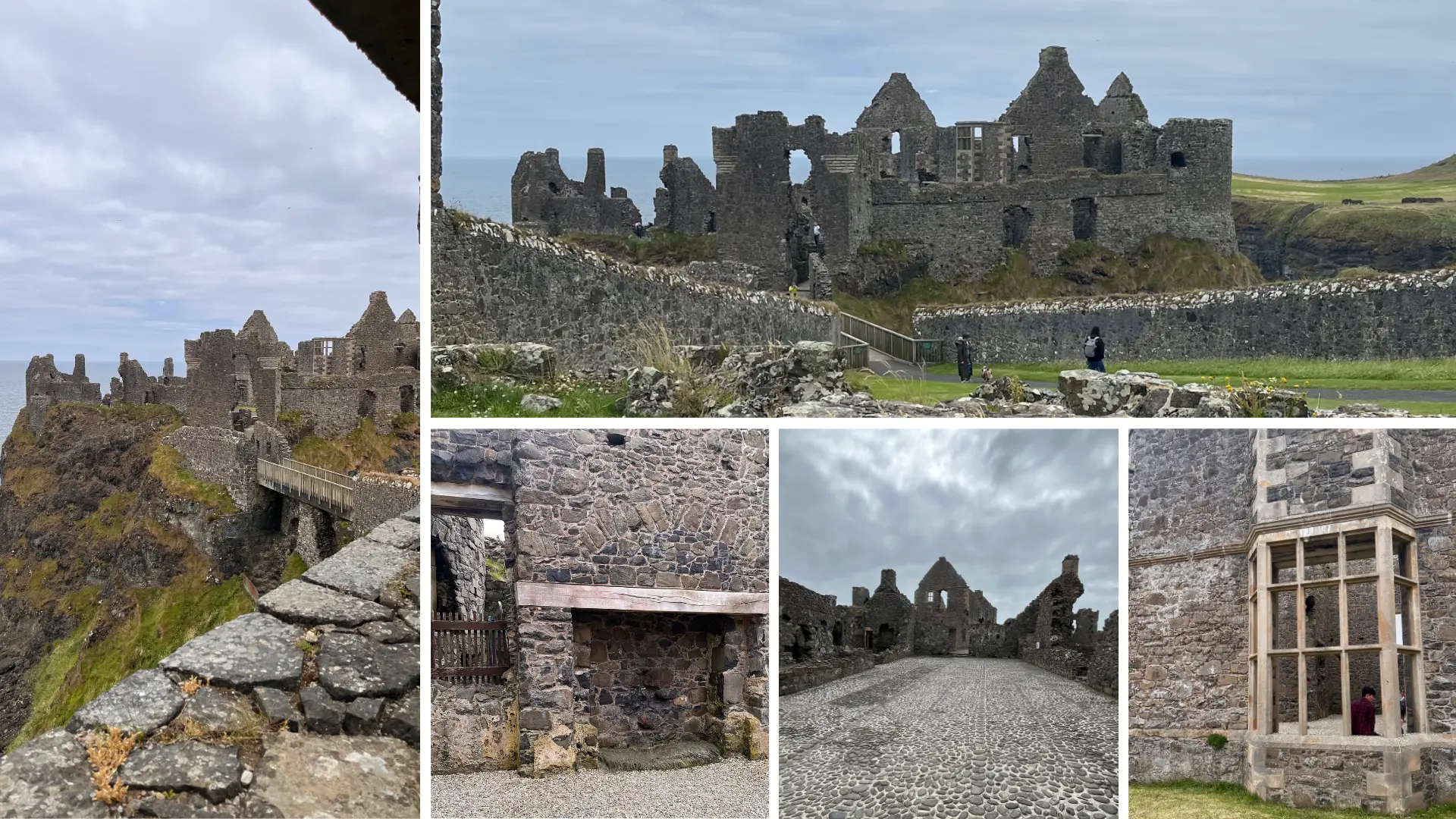
Just a short drive from Giant’s Causeway stands another of Northern Ireland’s remarkable coastal wonders—the dramatic ruins of Dunluce Castle, perched precariously on coastal cliffs. Built between the 15th and 17th centuries, this castle embodies the phrase “living on the edge”—quite literally. One of the most famous stories about the Castle is how, in the 1630s, the kitchen wing collapsed during a storm, plunging into the sea below. Apparently, only the kitchen boy survived, finding himself stranded on a remaining section of the floor.
We wandered through various sections, including the remains of the Brew House, where you can still see where wooden posts once stood, and ancient fireplaces that once warmed the stone rooms. The Northeast Tower offered impressive views of the Northern Ireland coastline, while a covered walkway that once overlooked a garden provided a glimpse into the castle’s former grandeur.
One of the most interesting aspects was being able to see the original drawbridge location and gatehouse that once controlled access to this formidable structure. Throughout the ruins, small details like oven remains and the foundations of various rooms help to visualize how this castle functioned as both a fortress and a home for the noble families who once resided here.
Game of Thrones fans will recognize this spectacular location as the exterior of House Greyjoy’s Pyke Castle, but even without the television connection, the ruins are hauntingly beautiful and well worth exploring as one of Northern Ireland’s most photogenic coastal wonders.
Carrick-a-Rede: A Suspended Path Above Northern Ireland's Coastal Waters
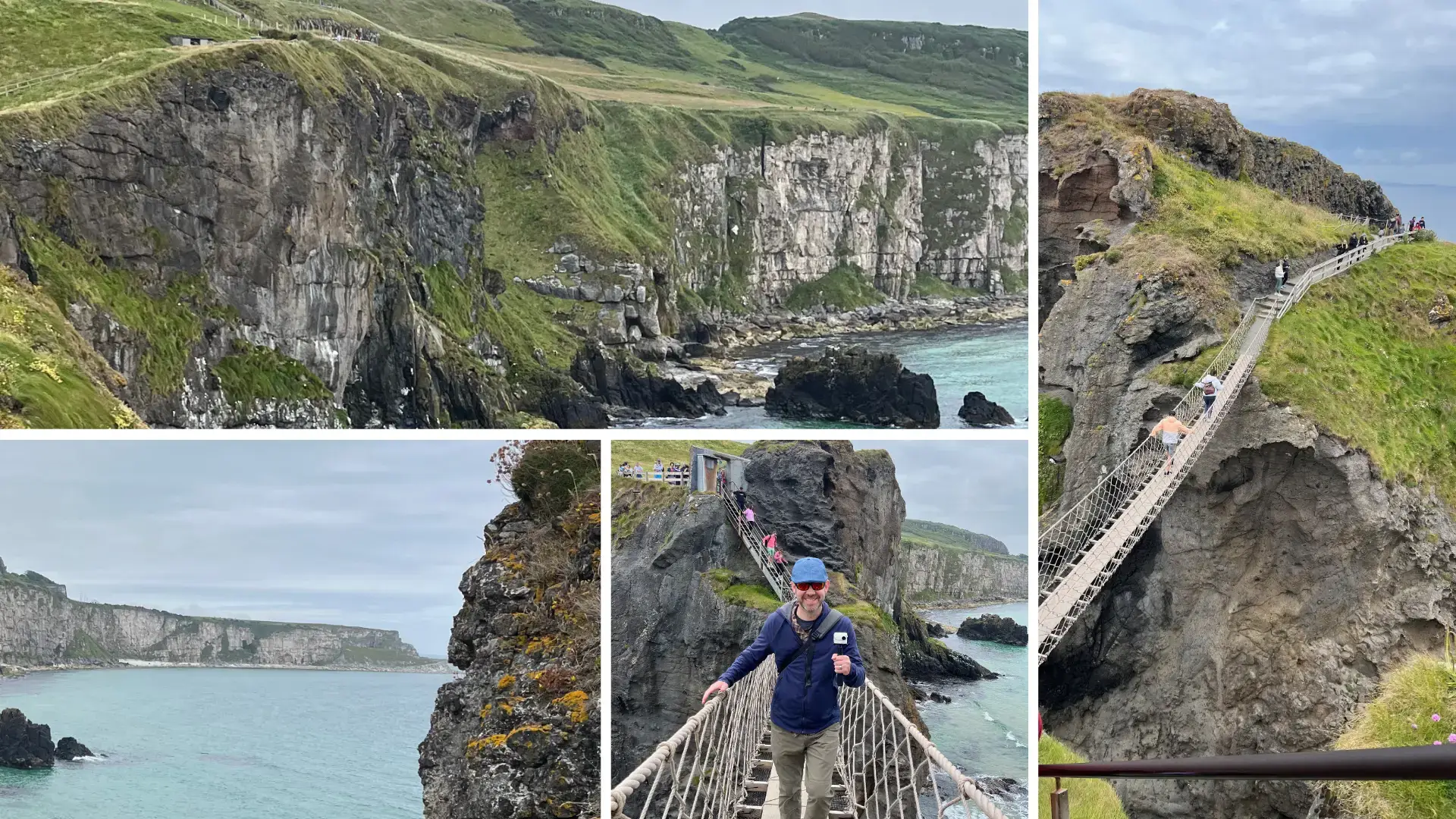
Our adventures continued at Carrick-a-Rede, home to another of Northern Ireland’s thrilling coastal wonders—the famous rope bridge that spans a chasm between the mainland and a small island. Originally constructed by salmon fishermen in 1755 to access their nets, the bridge has become a popular—if slightly nerve-wracking—tourist attraction.
The name comes from the Gaelic “Carraig-a-Rade,” meaning “the rock in the road,” referring to how the island was positioned in the migratory path of Atlantic salmon. As we learned, commercial fishing operations continued here until 2002, when declining salmon populations led to its closure.
Crossing the swaying bridge suspended 30 meters above the rocks below required a moment of courage, but the views from the island made it worthwhile. The crystal-clear waters below and panoramic vistas of Northern Ireland’s coastal landscapes created perfect photo opportunities.
Carrick-a-Rede: Travel Tip
Advanced booking is essential for this popular Northern Ireland coastal attraction, as bridge crossings are timed to manage visitor flow.
The Dark Hedges: An Atmospheric Detour from the Coast
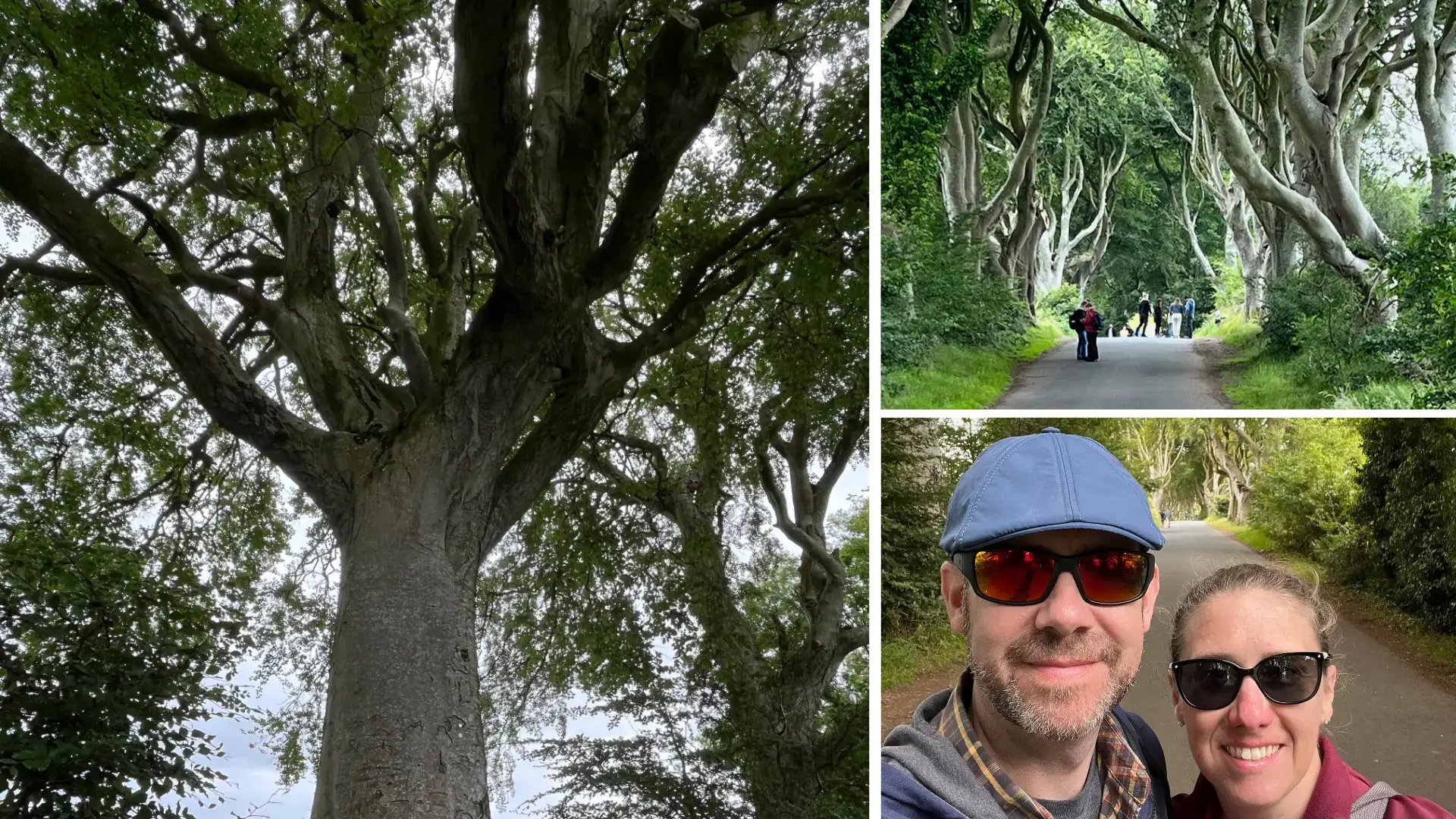
In the afternoon, we made a quick detour inland from Northern Ireland’s coastal route to visit The Dark Hedges, an atmospheric avenue of intertwined beech trees planted in the 18th century. Originally designed as an impressive approach to Gracehill House, these gnarled, arching trees provide one of the most photographed locations in Northern Ireland.
Game of Thrones fans will immediately recognize this location as the King’s Road from the series, but even without this pop culture connection, the otherworldly tunnel of ancient trees creates a magical atmosphere worth experiencing as a contrast to the coastal wonders we’d been exploring.
Mussenden Temple: Clifftop Elegance Among Northern Ireland's Coastal Wonders
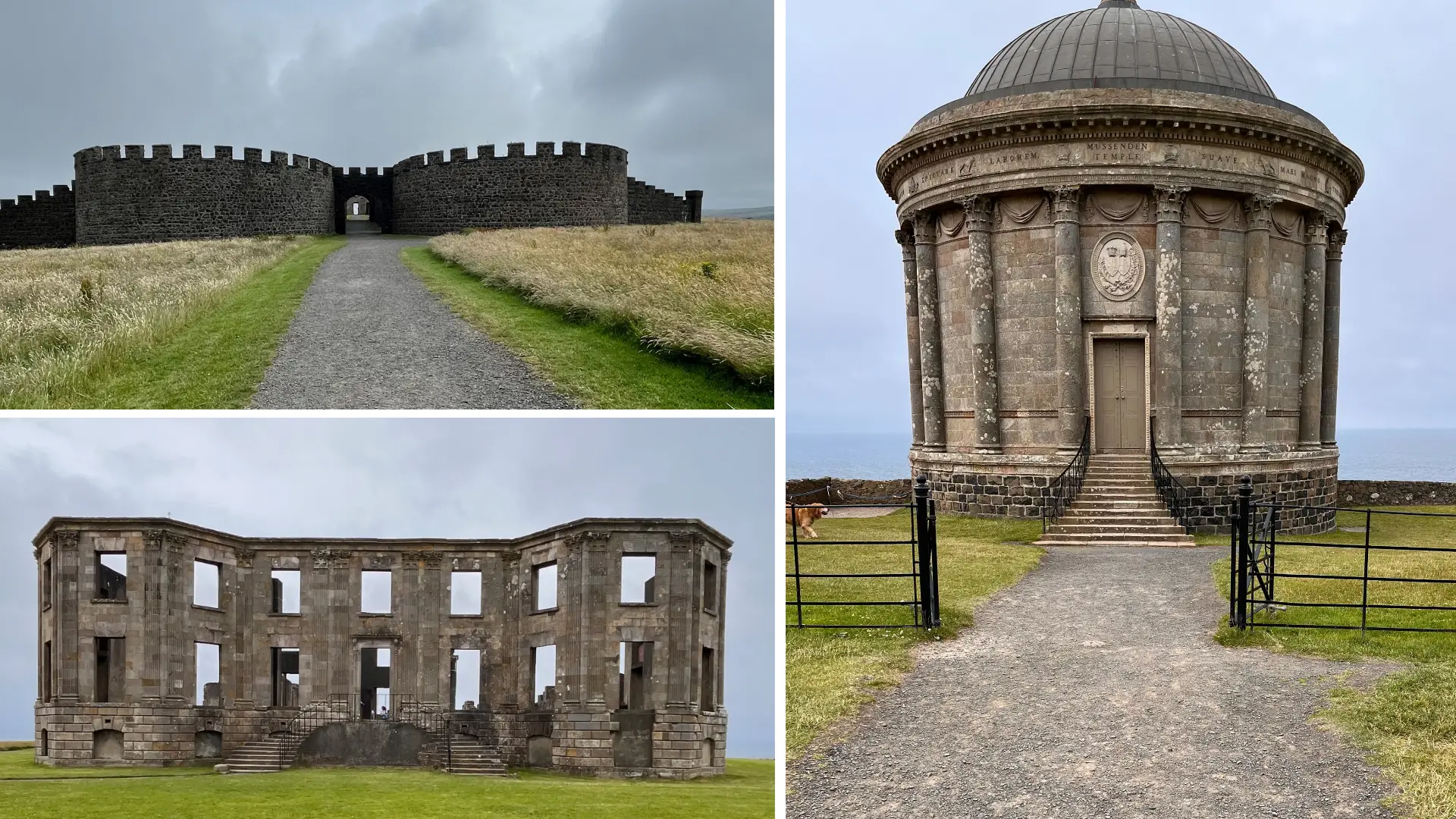
Our final stop of the day brought us back to Northern Ireland’s spectacular coastline at Mussenden Temple, an elegant 18th-century library perched dramatically on cliff edges at Downhill Demesne. Originally built as part of the Earl Bishop’s estate, this classically inspired circular building offers spectacular views across the Atlantic to the Donegal hills.
We spent time exploring not just the temple but the entire site, including the ruins of Downhill House, an 18th-century mansion destroyed by fire. The expansive grounds, dramatic clifftop setting, and architectural remains make this National Trust property a photographer’s dream and one of Northern Ireland’s most elegant coastal wonders.
Game of Thrones enthusiasts will recognize portions of this landscape as Dragonstone Island from the series, adding another layer of interest to an already captivating coastal location.
Final Reflections: Northern Ireland's Captivating Coastal Wonders
Days 10 and 11 of our Irish adventure revealed the spectacular diversity of Northern Ireland’s coastal wonders and heritage landscapes. From ancient megalithic tombs to dramatic cliff-top castles, this portion of our journey provided some of the most visually stunning and historically rich coastal experiences of our entire trip.
Northern Ireland’s Causeway Coast deserves its reputation as one of the world’s great coastal drives, offering a perfect blend of natural wonders, historic sites, and cultural experiences. For those planning their own adventure to Northern Ireland’s coastal wonders, we’d recommend allowing at least two full days to explore this region properly. While Port Rush provides more hotel and dining options, we would recommend staying out in one of the hotels closer to Giant’s Causeway in or around Bushmills to maximize your time along this unforgettable coastline.
Whether you’re a history enthusiast, nature lover, photographer, or Game of Thrones fan, Northern Ireland’s coastal attractions offer something truly special—a landscape where myth, history, and natural wonder converge to create an unforgettable travel experience.
Check out the full videos of our Northern Ireland coastal adventure below!
Have you visited Northern Ireland’s coastal wonders? Share your experiences in the comments below or ask us any questions about planning your own Northern Ireland coastal adventure!


