
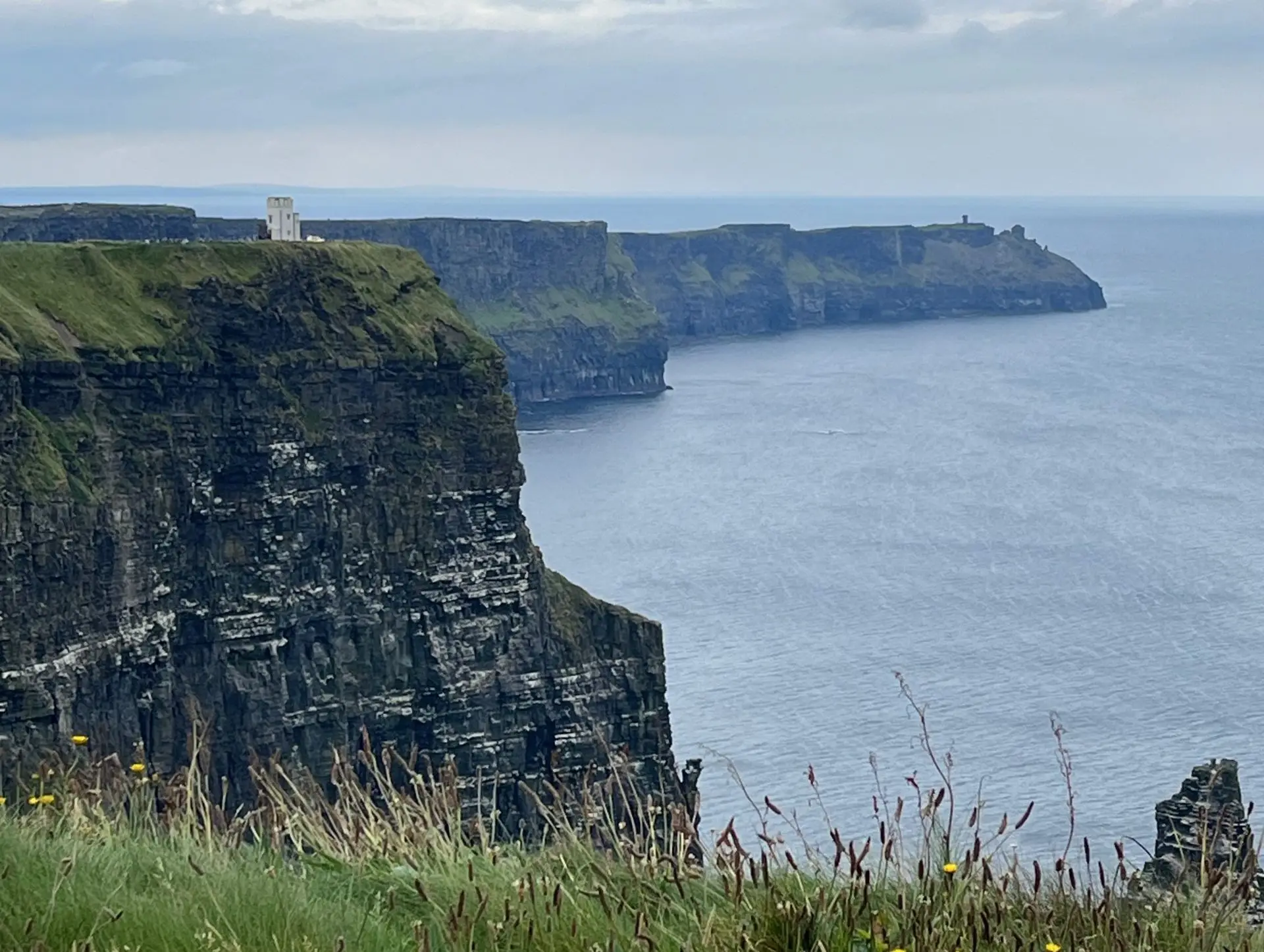
Ireland Wild Atlantic Way highlights: A journey through spectacular landscapes and rich cultural heritage on Days 8 & 9 of our unforgettable Ireland Wild Atlantic Way adventure.
The Wild Atlantic Way Beckons
As our Irish adventure continued beyond the charming town of Dingle, days 8 and 9 promised a captivating journey through the most spectacular Ireland Wild Atlantic Way highlights. With our sights set on the legendary Cliffs of Moher, mysterious ancient monuments, and the culturally rich Aran Islands, we prepared for experiences that would connect us with both Ireland’s stunning natural beauty and its deep historical roots. The Wild Atlantic Way, Ireland’s renowned 2,500km coastal route, offers travelers some of Europe’s most breathtaking landscapes, and we were eager to discover its western treasures.
Day 8: From Dingle to Galway — Unmissable Wild Atlantic Way Highlights
After saying goodbye to the picturesque Dingle Peninsula, we embarked on a 156-mile journey northward along the Wild Atlantic Way toward Galway. Instead of rushing directly to our destination, we planned strategic stops at some of Ireland’s most breathtaking natural and historical sites that make this stretch of the Wild Atlantic Way a must-visit for travelers.
The Majestic Cliffs of Moher: A Wild Atlantic Way Essential
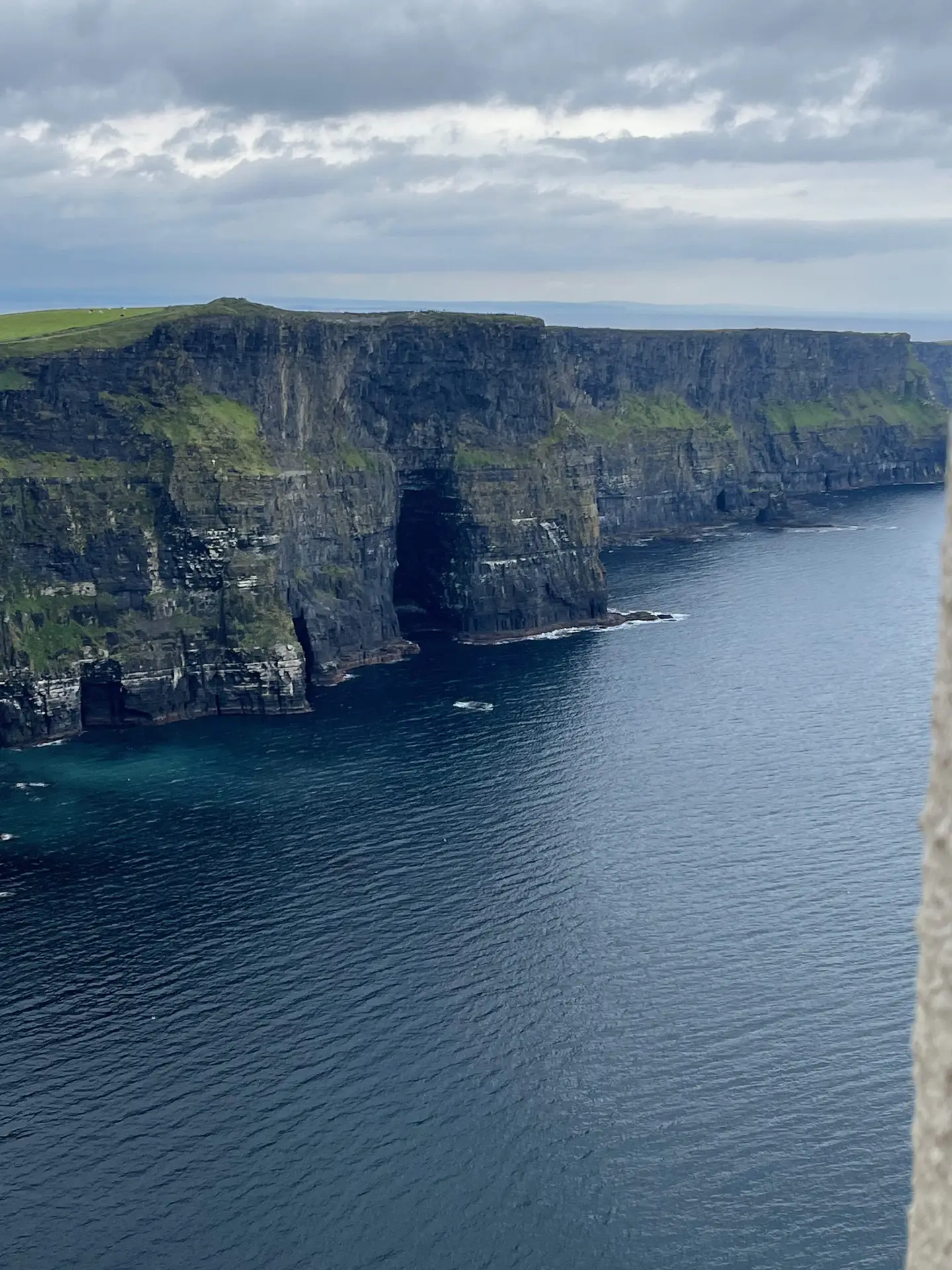
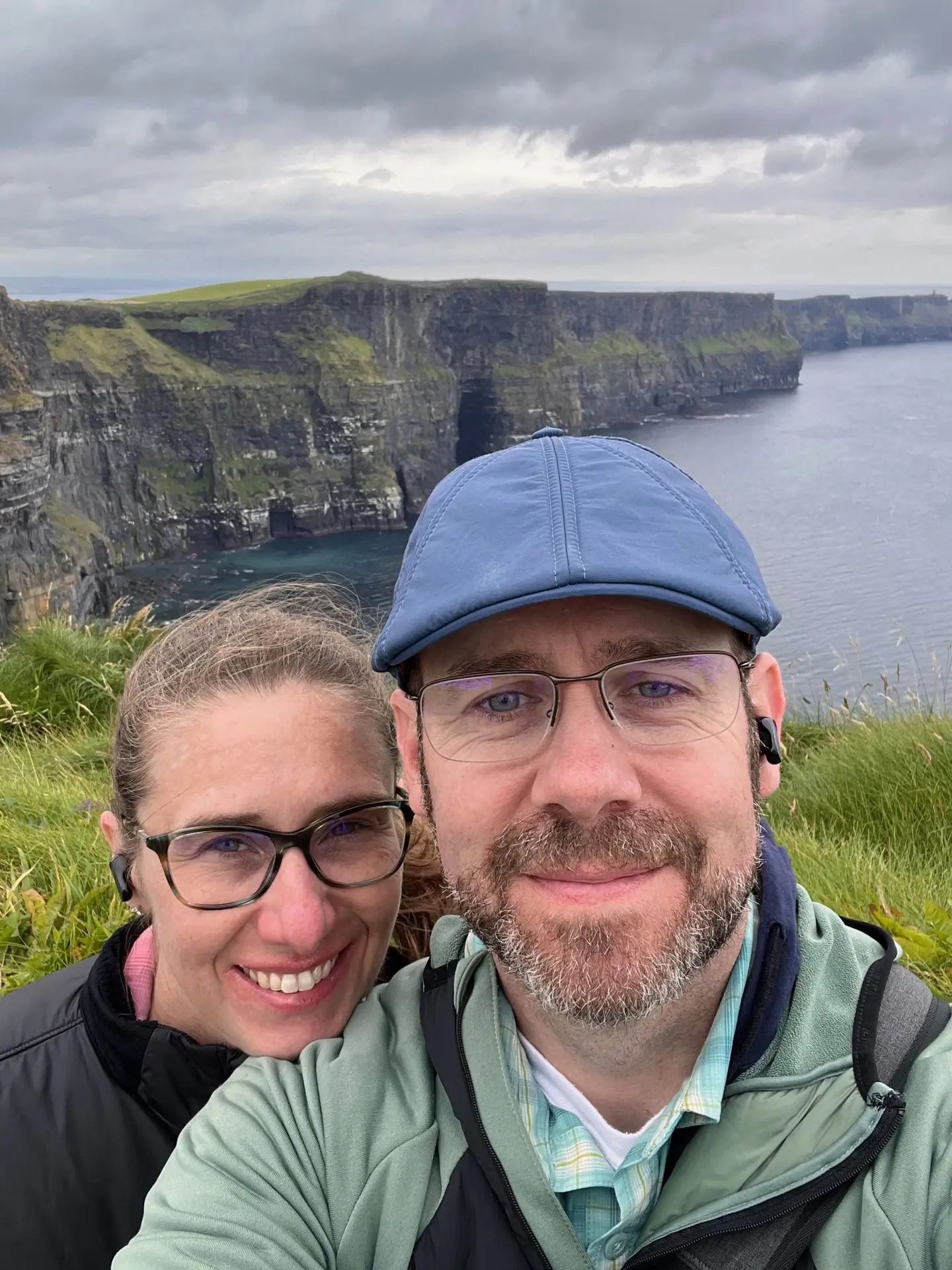
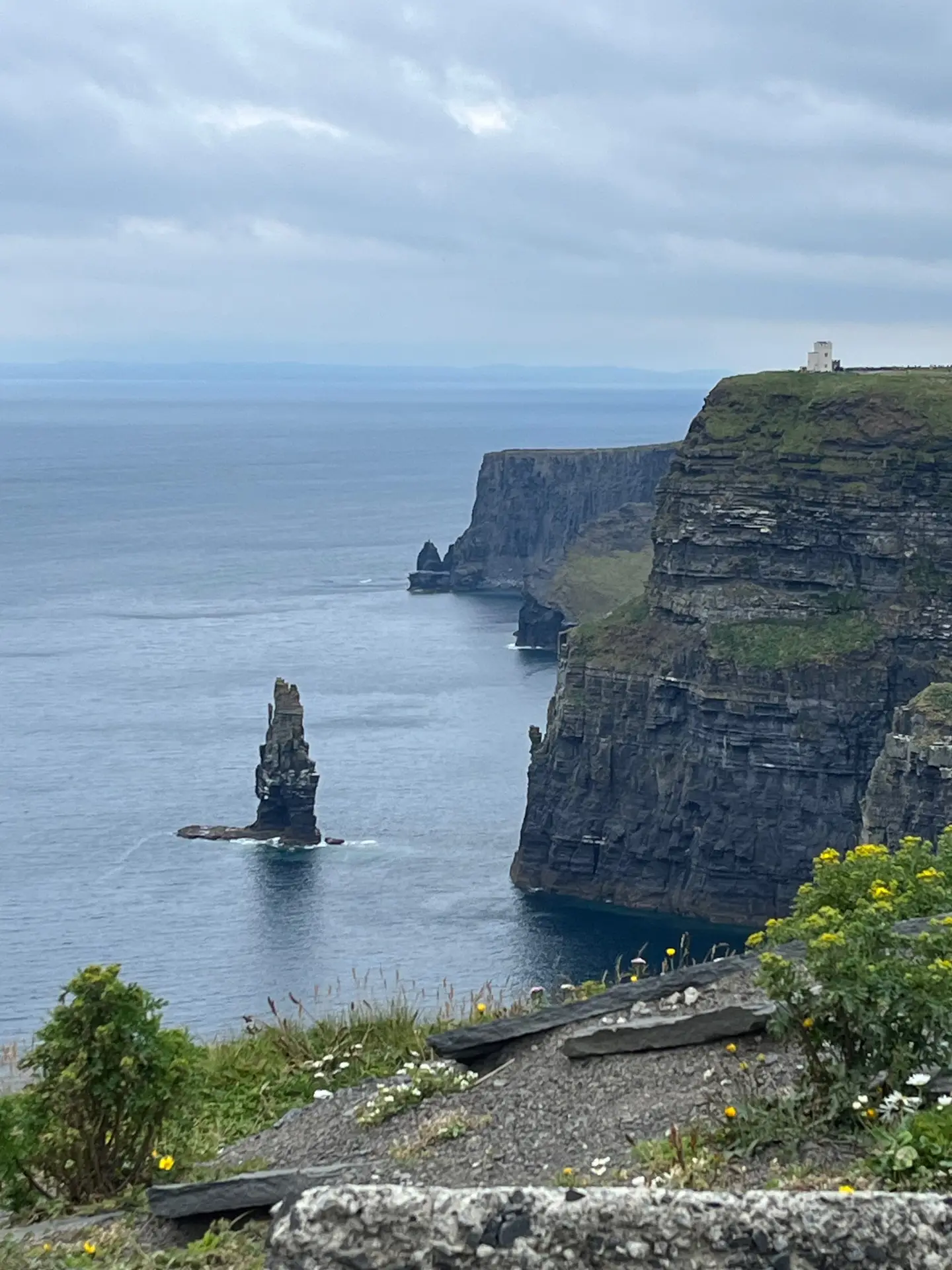
No Ireland Wild Atlantic Way highlights tour would be complete without experiencing the towering Cliffs of Moher, arguably Ireland’s most famous natural attraction along the Atlantic coast. Rising dramatically to heights of over 700 feet above the Atlantic Ocean, these spectacular cliffs stretch for 8 miles along County Clare’s coastline. As we approached the visitor center, we were grateful for having planned our visit during a less crowded time.
Cliffs of Moher: Travel Tip
Book tickets online in advance saves money with off-peak pricing and significantly enhances the experience by avoiding the largest crowds. Consider visiting either early or late afternoon for better lighting and a more intimate experience with these natural wonders of the Wild Atlantic Way.
The cliffs provide a dramatic landscape that has served as a backdrop for iconic films like “The Princess Bride” (where they portrayed the “Cliffs of Insanity”) and “Harry Potter and the Half-Blood Prince.” On a clear day, you can see the Aran Islands and Galway Bay. While it was a cool, cloudy day, the views were incredible we could only imagine what they would have been like on a clear day.
In addition to being able to view the cliffs from above, there are boat tours that allow you to view the massive cliffs from sea level—a different perspective on this Wild Atlantic Way highlight. We didn’t have time, or the ideal weather, for one of these tours; it is something we’ve added to our bucket list for a return visit to the Wild Atlantic Way.
The Otherworldly Landscape of The Burren: Wild Atlantic Way's Geological Wonder
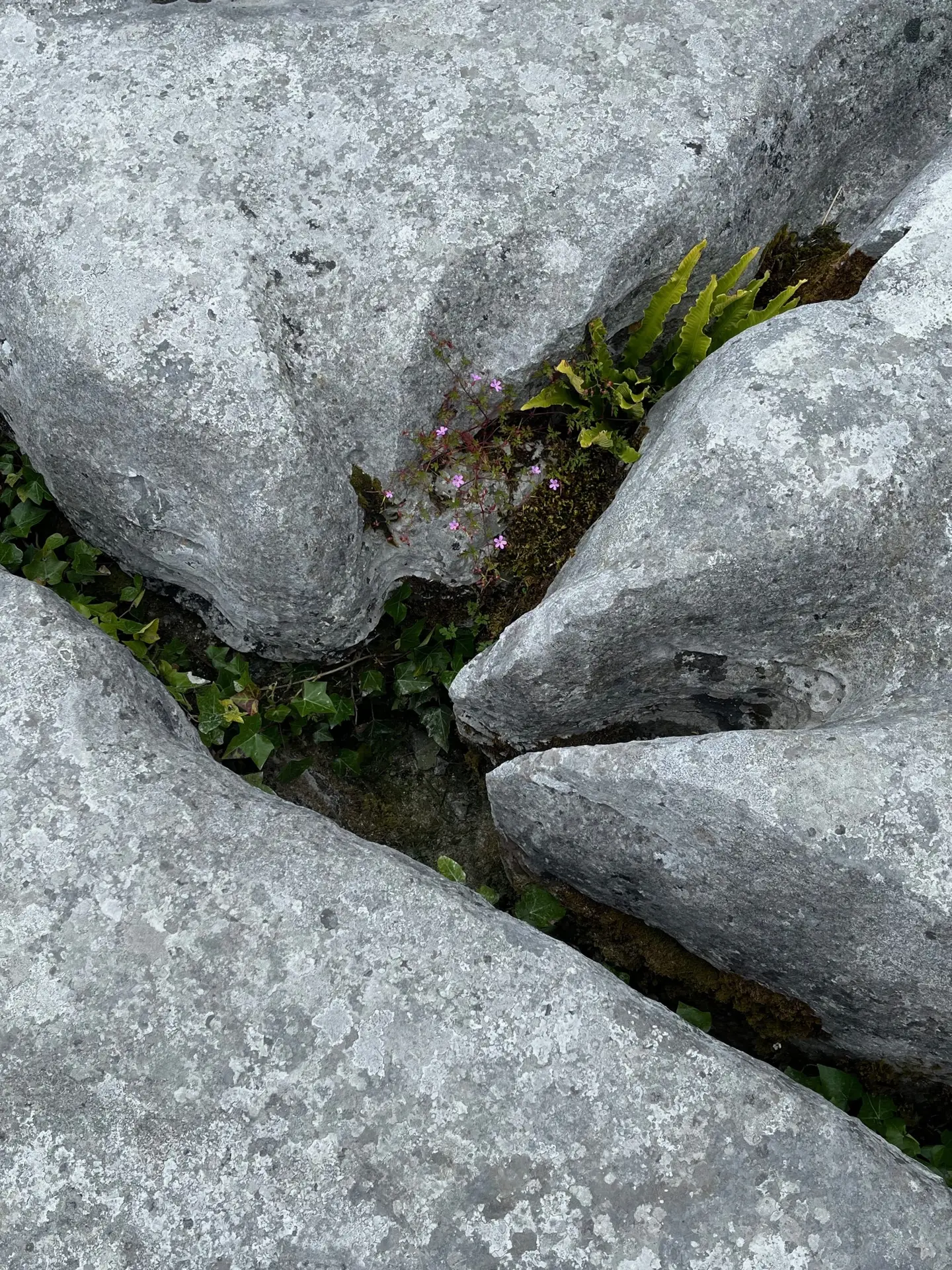
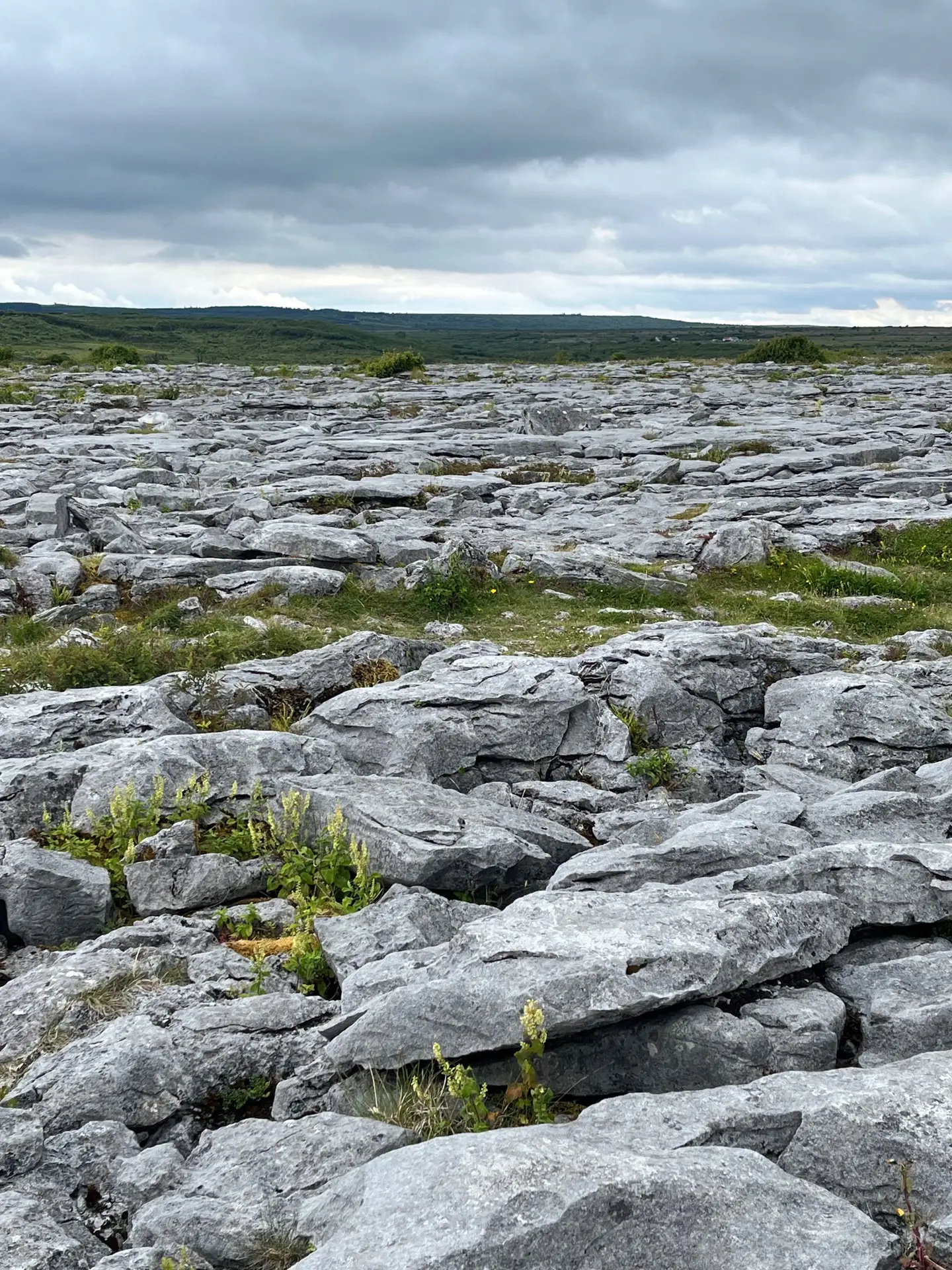
Just a short drive from the cliffs along the Wild Atlantic Way, we discovered the extraordinary lunar-like landscape of The Burren. Our first stop was The Burren Visitor Centre, where comprehensive exhibitions taught us about this unique geological formation that is approximately 138 square miles, or 1% of Ireland’s total land area.
The center’s informative displays explained how this landscape formed from limestone bedrock has created an ecosystem unlike anywhere else along the Wild Atlantic Way. Despite its seemingly barren appearance, The Burren supports an astonishing diversity of plant life, including rare arctic, alpine, and Mediterranean species growing side by side—a remarkable Wild Atlantic Way highlight for nature enthusiasts.
Ancient Mystery: Poulnabrone Dolmen — A Historic Wild Atlantic Way Treasure

Perhaps the most moving stop of our day exploring the Wild Atlantic Way highlights was the hauntingly beautiful Poulnabrone Dolmen. Standing solitary amidst the limestone pavement of The Burren, this portal tomb dates back over 5,800 years—making it older than Egypt’s pyramids and one of Ireland’s most iconic archaeological monuments along the Wild Atlantic Way.
The simple yet powerful structure consists of a massive capstone balanced on upright portal stones, creating a chamber that once held the remains of the dead. Based on all of the photos we saw of the Dolmen prior to visiting we expected to find a massive structure, in reality the structure is less than 6 feet high—a reminder that Wild Atlantic Way highlights often come in unexpected forms.
Journey to Galway: Continuing Along the Wild Atlantic Way
After leaving the Poulnabrone Dolmen we began the final leg of the drive to Galway, continuing our Wild Atlantic Way adventure. On the way we ran into a traffic jam caused by a local farmer in his tractor and we drove by Boston—just one of those authentic Irish moments that make traveling the Wild Atlantic Way so memorable.


Wild Atlantic Way Heritage Spotlight: Dunguaire Castle
The Dunguaire Castle was originally built in 1520 by the Hynes clan, making it a significant historic landmark along the Wild Atlantic Way. The castle was purchased in the early 20th century by Oliver St John Gogarty, surgeon and poet. Gogarty began restoration of the castle which became a meeting place for writers and poets including W.B. Yeats. The property has since been purchased by a corporation that manages multiple historic sites and attractions in Ireland. Today you can visit the castle from April to October and enjoy a banquet dinner—a perfect cultural experience to add to your Wild Atlantic Way highlights itinerary.

Arrival at Sea Breeze Lodge B&B: Perfect Base for Wild Atlantic Way Exploration
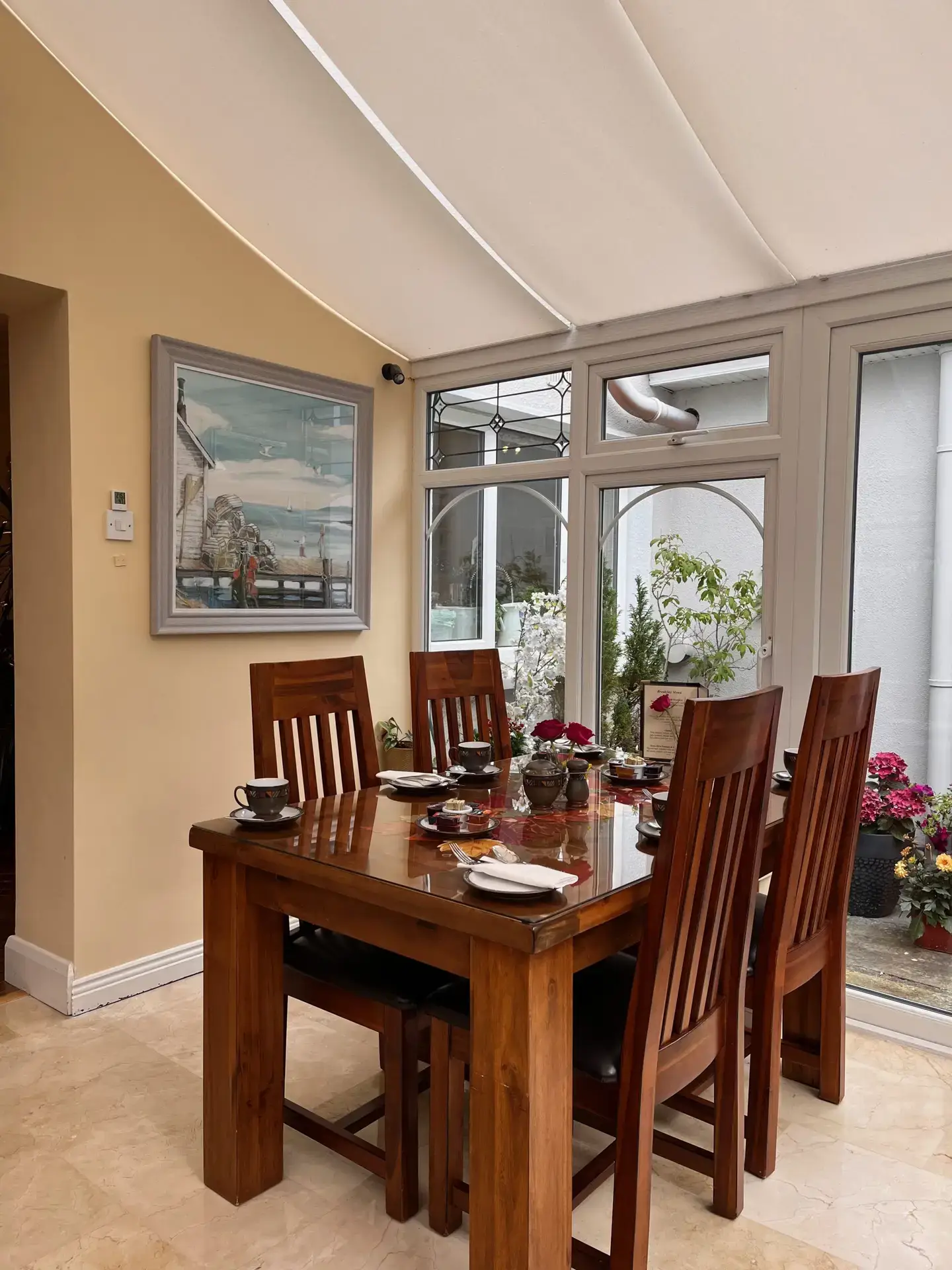
As we arrived at the Sea Breeze Lodge B&B, our hosts Fred and Michelle greeted us. The Sea Breeze Lodge is a small B&B with only 4 rooms, so expect personalized service. Fred took the time to go through the different dining options and offered to help book our ferry tickets for our Aran Island’s trip—another important Wild Atlantic Way highlight. Make sure not to miss the great breakfasts especially the omelettes with Fred’s custom spice mix, it will fuel you for your days adventure. This was one of our favorite accommodations of our trip and is definitely where we plan to stay on our next trip to explore more Wild Atlantic Way highlights around Galway.

Culinary Delights in Galway: Tasting the Flavors of the Wild Atlantic Way
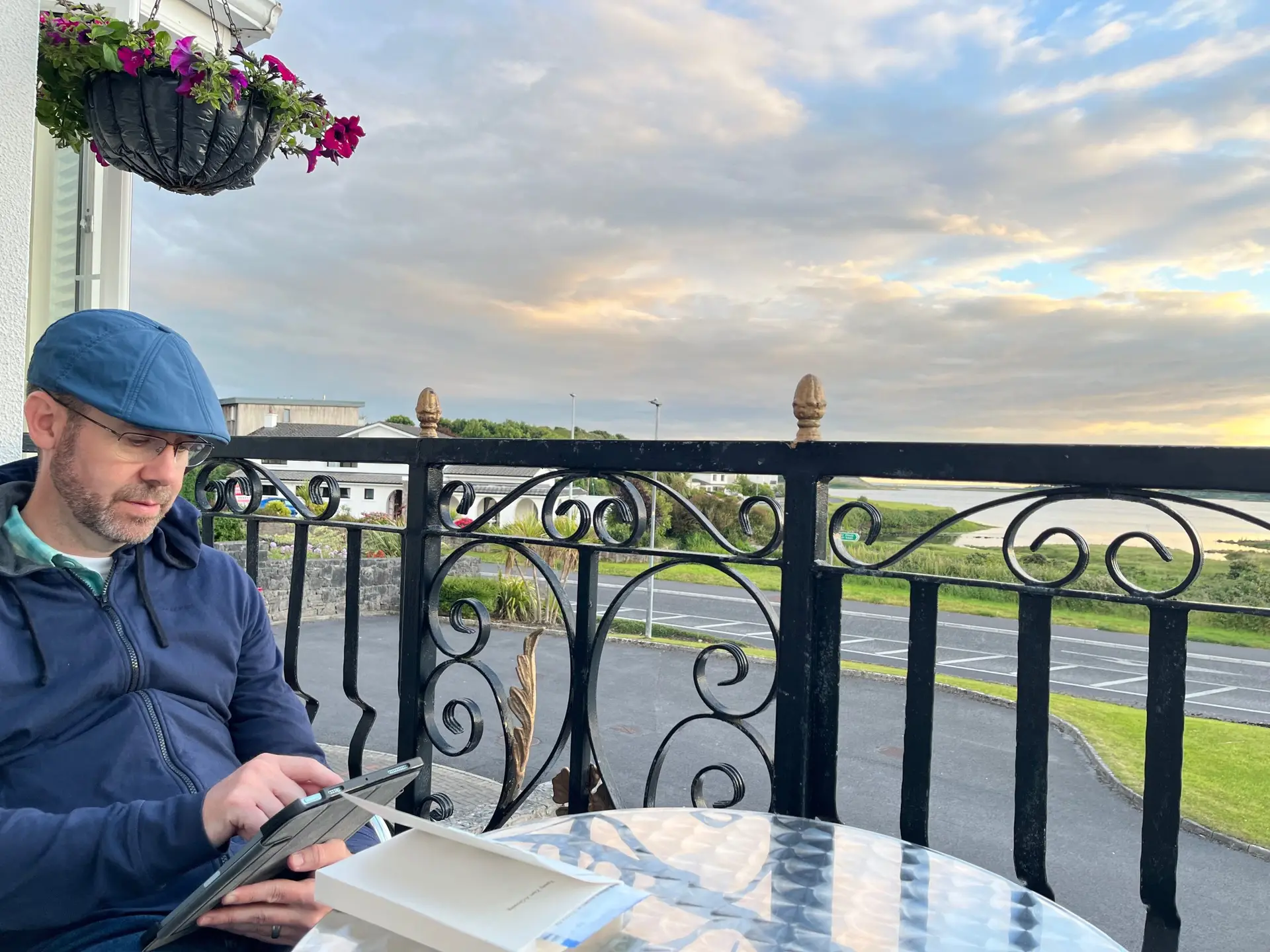
After a day filled with natural wonders and ancient history along the Wild Atlantic Way, we were ready for a hearty meal and headed to John Keogh’s Gastropub in the city’s charming Latin Quarter. The warm, traditional pub atmosphere provided the perfect setting to reflect on our day’s adventures exploring Wild Atlantic Way highlights. To cap off our evening with something sweet, we visited Ciarlantini Italian Pastries, where we enjoyed the blend of Irish hospitality and Italian pastries. After returning from dinner we took sometime to relax and enjoy the sunset on the balcony of our room at the Sea Breeze Lodge, reflecting on the day’s Wild Atlantic Way discoveries.
Day 9: Island Adventure — Discovering Inishmore, A Wild Atlantic Way Island Gem
We rose early for what would prove to be one of the most memorable days of our Ireland Wild Atlantic Way highlights journey—a visit to Inishmore (Inis Mór), the largest of the three Aran Islands located in the mouth of Galway Bay.
Journey to Ireland's Cultural Heartland: A Wild Atlantic Way Island Experience

After a short drive to the ferry terminal, we boarded an Aran Islands Ferry bound for Inishmore—an essential Wild Atlantic Way highlight. The approximately 40-minute crossing offered spectacular views of Galway Bay and the approaching limestone islands rising from the Atlantic waters.
Home to approximately 800 residents who primarily speak Irish (Gaelic) as their first language, Inishmore represents one of Ireland’s strongest Gaeltacht (Irish-speaking) regions and a living connection to traditional Irish culture along the Wild Atlantic Way.
Aran Islands: Travel Tip
For those planning their own visit to this Wild Atlantic Way highlight, we highly recommend booking ferry tickets in advance through Aran Island Ferries to ensure your spot, especially during peak season.
Exploring by Electric Bike — The Modern Way to See Wild Atlantic Way Island Treasures
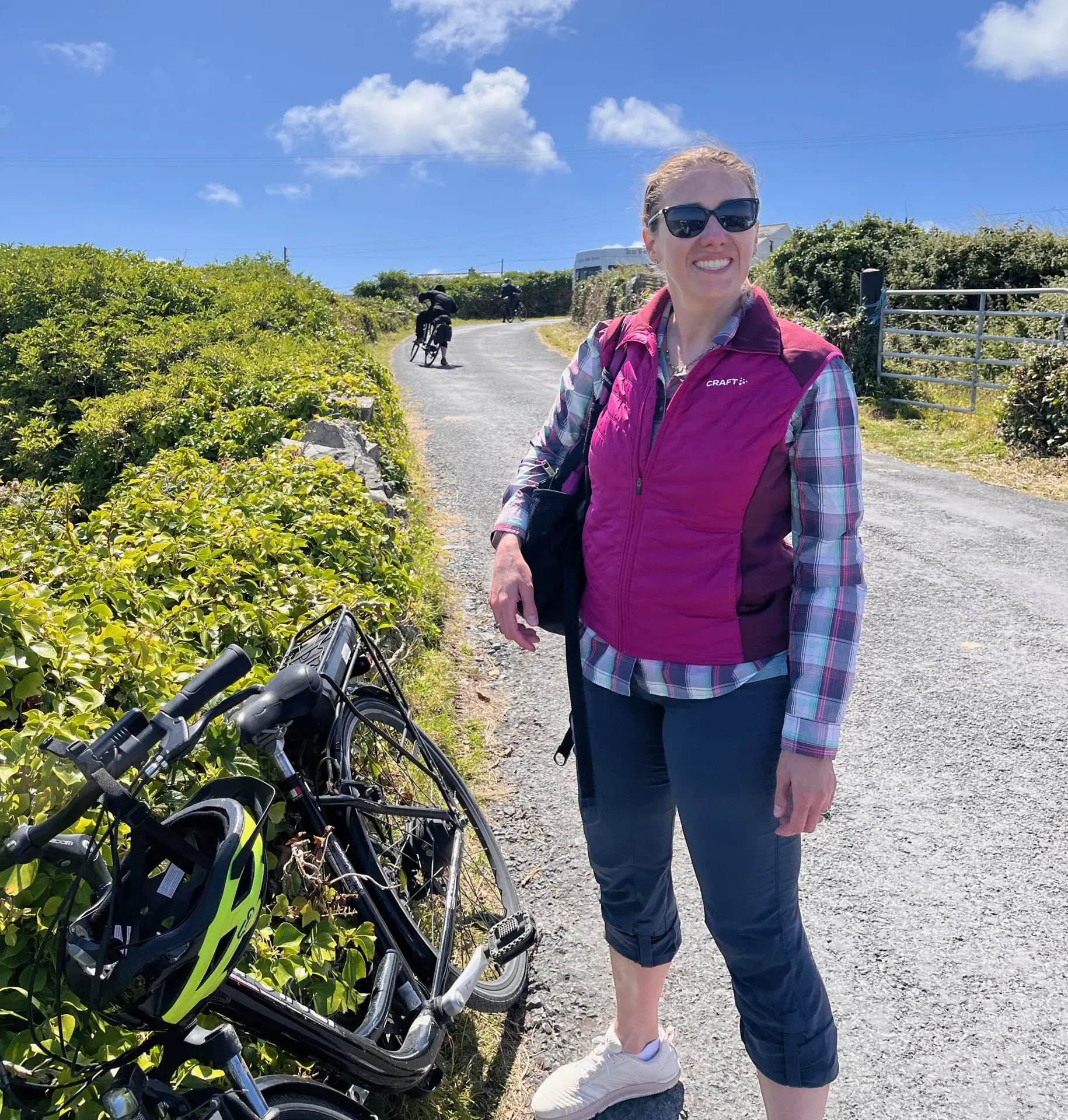
Upon arrival at Inishmore’s harbor, we made one of our best decisions of the Wild Atlantic Way trip—renting electric bikes to explore the island. While traditional bicycles are popular among visitors, the electric bikes proved invaluable for covering more ground and managing the island’s occasionally challenging terrain without exhausting ourselves.
The e-bikes allowed us to navigate the island’s network of narrow roads with ease, passing by homes, horse drawn carriages, countless stone walls, and grazing cows and sheep, all while enjoying spectacular coastal views at every turn—quintessential Wild Atlantic Way scenery.
One of your other transportation options on the island is to take one of the horse drawn carriages. If you’re on the lookout you might be able to catch a ride in the Mercedes horse drawn carriage—a unique way to experience this Wild Atlantic Way highlight.
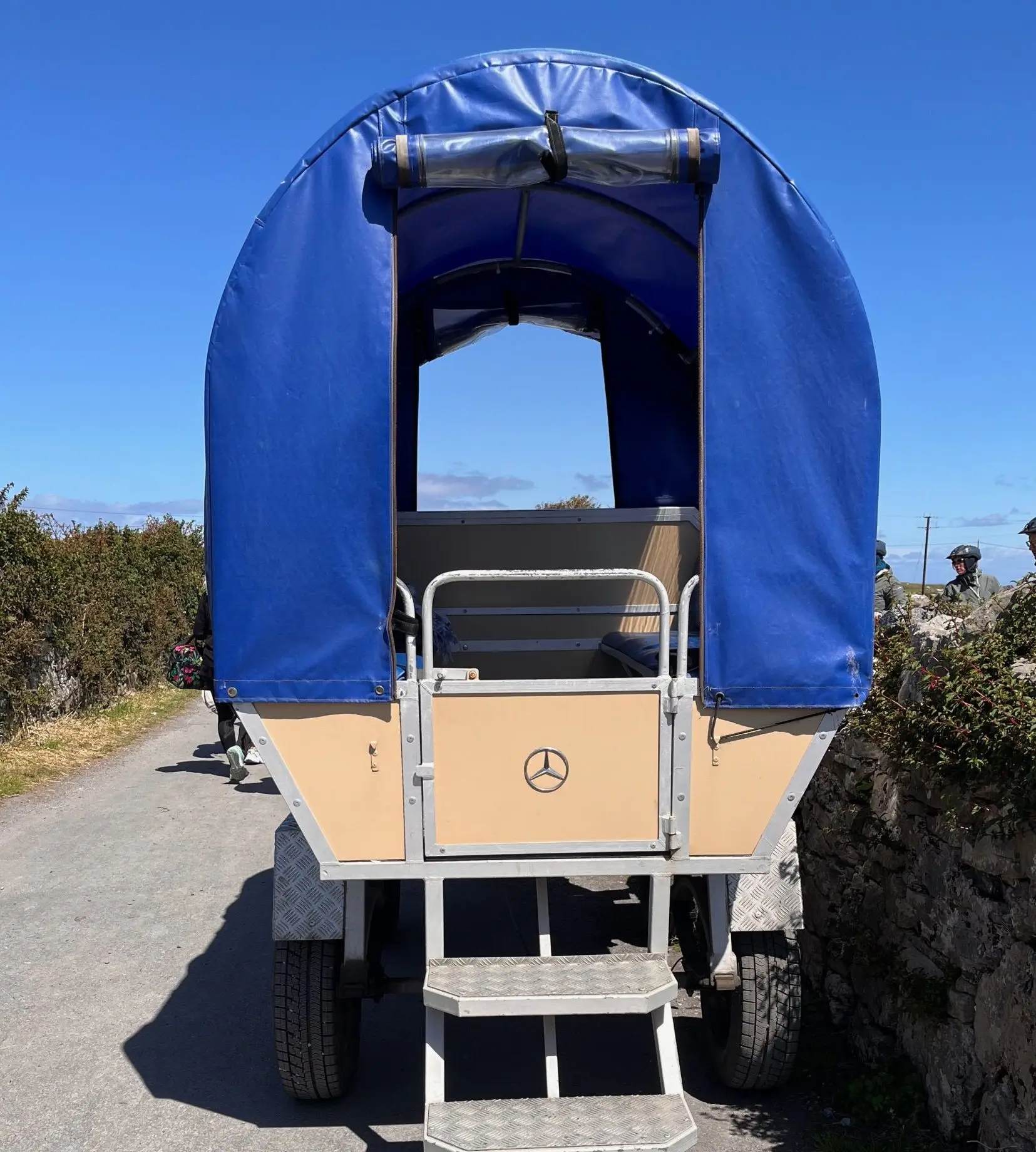
That's some serious horsepower!
Aran Islands: Travel Tip
While numerous rental shops are available right at the ferry landing, these can get extremely busy when ferries arrive. Consider walking a short distance into the village where you’ll find additional rental options that might be less crowded—a useful tip for enjoying this Wild Atlantic Way highlight at your own pace.
Dún Aonghasa — A Fortress on the Edge of the World: Wild Atlantic Way's Ancient Marvel
Our first major stop on Inishmore, a premier Wild Atlantic Way highlight, was the prehistoric fort of Dún Aonghasa (sometimes spelled Dun Aengus), perched dramatically on the edge of a 300-foot cliff on Inishmore’s southern coast. Dating back approximately 3,000 years to the Iron Age, this semicircular stone fort is considered one of the most spectacular stone forts in Europe and a must-see Wild Atlantic Way attraction.
After parking our bikes at the visitor center, a 15-minute uphill walk along a rocky path brought us to this remarkable structure. The fort’s massive stone walls, built without mortar and still standing after three millennia, demonstrate the remarkable engineering skills of its ancient builders.
What makes Dún Aonghasa truly breathtaking is its position—built right to the cliff edge with no barriers or railings, offering vertigo-inducing views straight down to the Atlantic waves crashing below. The fort’s purpose remains debated among archaeologists—was it primarily defensive, ceremonial, or perhaps both? Whatever its original purpose, it remains one of the most dramatic Wild Atlantic Way highlights.


After taking in the sites of Dún Aonghasa we grabbed a quick lunch of beef Guinness stew at Teach Nan Phaidi and an ice cream at Paudy’s Ice Cream – local flavors that enhance the Wild Atlantic Way experience.
Na Seacht dTeampaill — The Seven Churches: Hidden Wild Atlantic Way Heritage
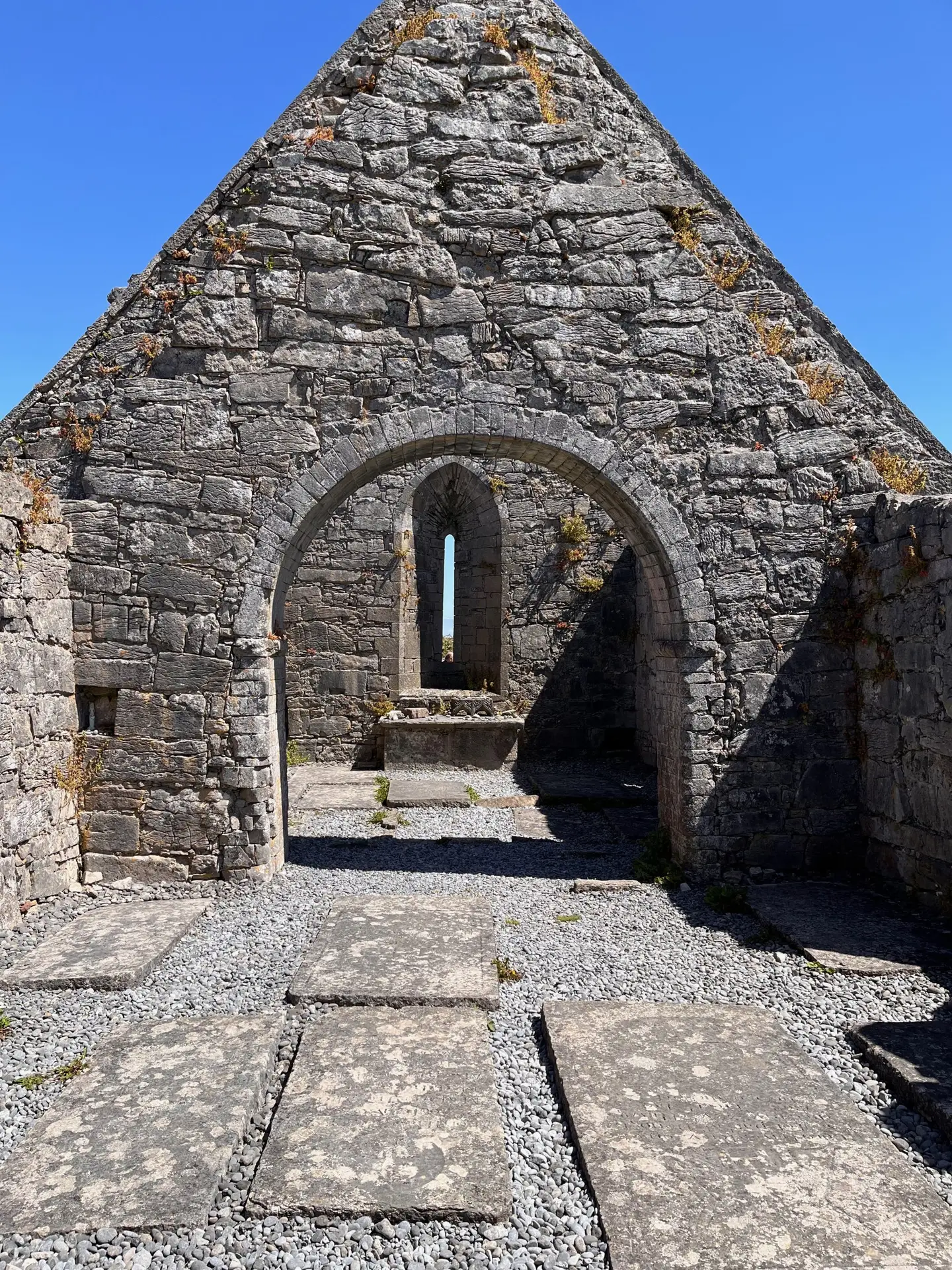
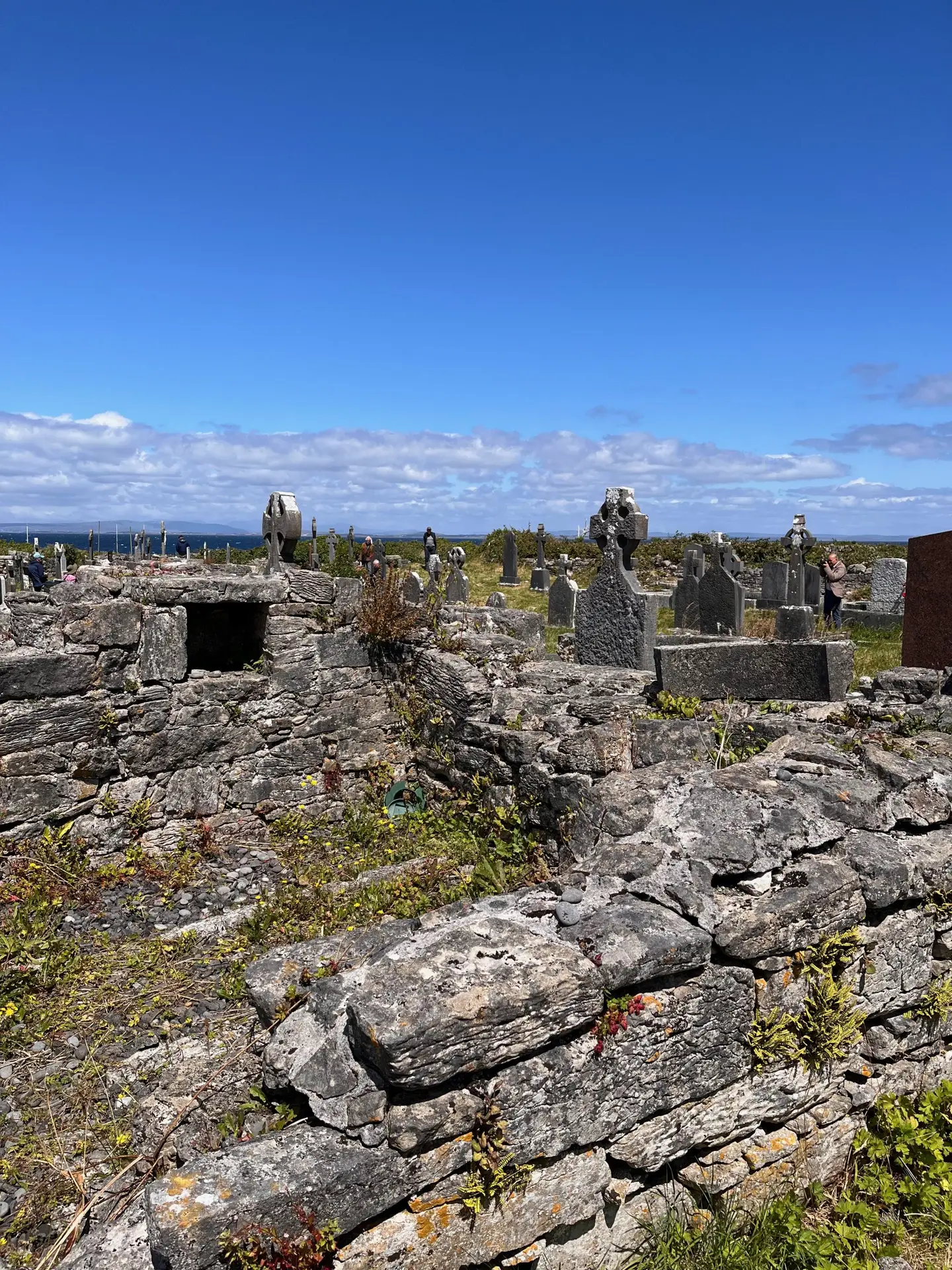
Our electric bikes proved their worth as we continued across the island to explore Na Seacht dTeampaill, or “The Seven Churches”—another fascinating Wild Atlantic Way highlight. Despite its name, this early Christian settlement actually contains the remains of just two churches amid various other structures, including dwelling houses and burial sites dating back to the 7th or 8th century.
The main church, Teampall Bhreacáin (Church of Brecan), is named for St. Brecan, who is believed to have converted many of the people on the island to Christianity during the 5ᵗʰ century. Walking among these weathered stone ruins, many inscribed with ancient Celtic designs, we gained insight into the island’s important role in early Christian Ireland—an essential historical aspect of the Wild Atlantic Way.

Island Beauty and Local Crafts: Authentic Wild Atlantic Way Culture
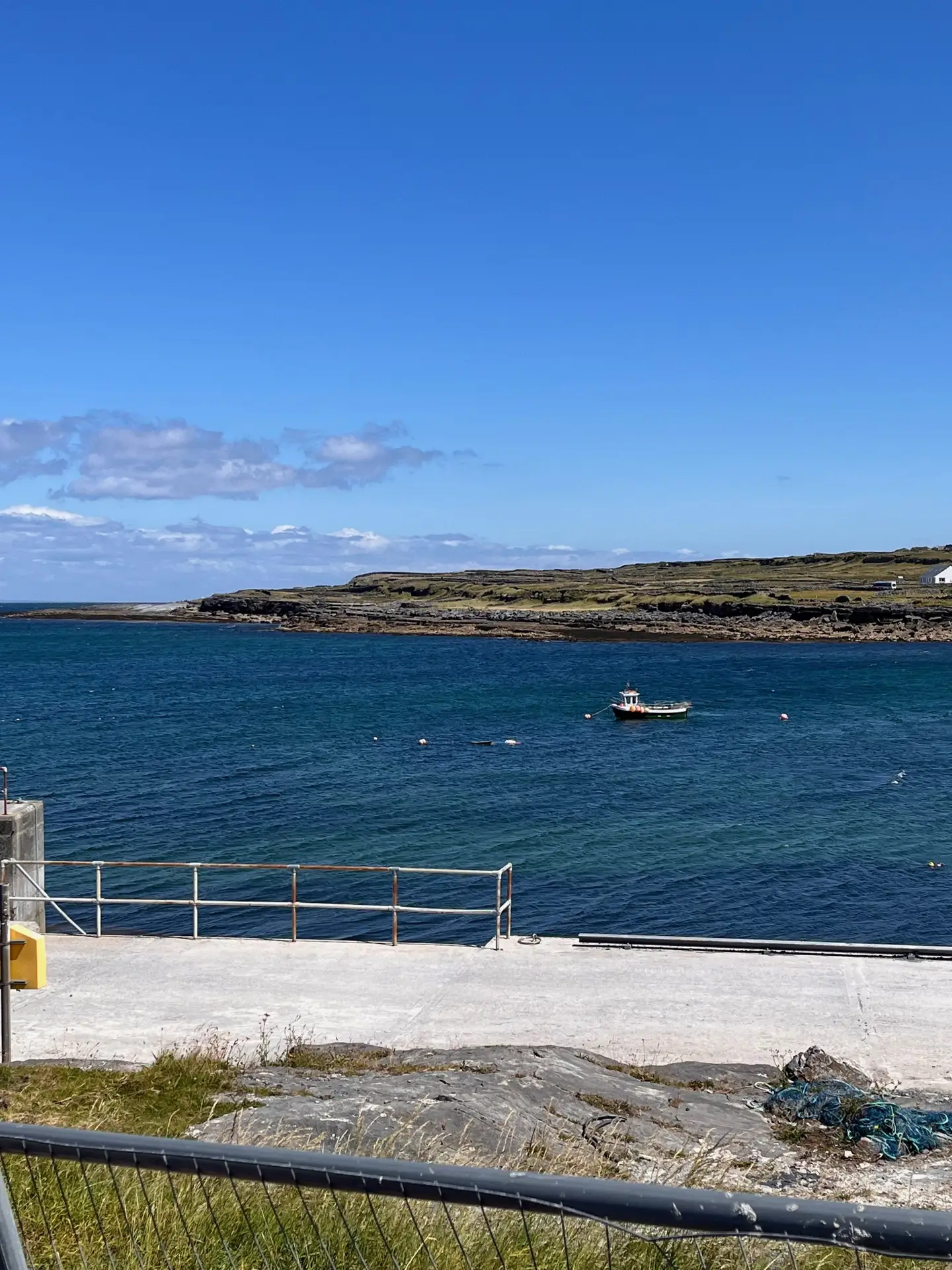
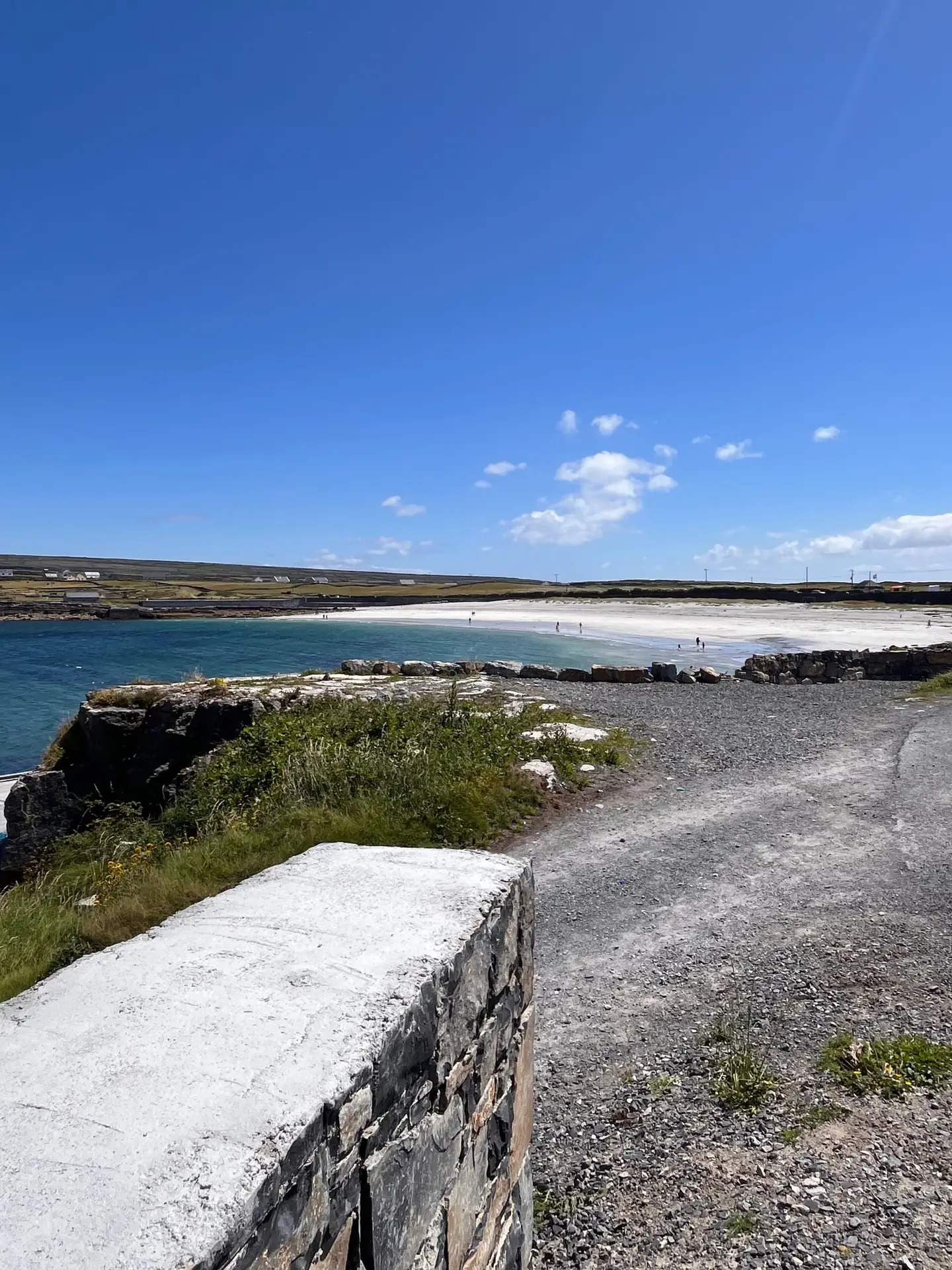
After visiting some of the island’s main archaeological attractions, we opted to take the route along the ocean on our return to port—a scenic path showcasing more Wild Atlantic Way highlights. We took our time and enjoyed the island’s natural beauty from the white sand beaches to the rugged shoreline. Along the way we stopped at the Seal Colony viewpoint with the hope of seeing a few seals out sunning themselves—a wildlife element that adds to the Wild Atlantic Way experience.
Many island residents maintain traditional occupations including fishing, farming, and craft production, particularly the famous Aran sweaters whose complex patterns originated here. We had to make a stop at one of the Aran sweater shops to pick up a few souvenirs from our Wild Atlantic Way island visit.
Return to Galway: Completing Our Wild Atlantic Way Adventure
As we approached late afternoon, we boarded the ferry back to the mainland, our minds filled with the day’s unforgettable experiences exploring Wild Atlantic Way highlights. Back in Galway, we capped our day with dinner at Kirby’s of Cross Street, a perfect venue to discuss our island adventure while enjoying quality local cuisine in the heart of the city.
Final Reflections: Embracing Ireland's Wild Atlantic Way Highlights
For travelers planning their own Ireland Wild Atlantic Way highlights tour, we’d offer this advice: allow plenty of time for these experiences. While it’s technically possible to visit the Cliffs of Moher or even make a rushed day trip to the Aran Islands, the true magic of the Wild Atlantic Way reveals itself when you slow down, engage with the local culture, and allow yourself to absorb the profound sense of history that permeates this remarkable landscape.
The Wild Atlantic Way highlights we experienced on days 8 and 9 of our journey—from dramatic coastal cliffs to ancient stone structures and vibrant cultural experiences—showcase why this route has become internationally renowned. Each bend in the road along Ireland’s western coastline reveals new wonders, making the Wild Atlantic Way an unforgettable travel experience that will leave you planning your return before you’ve even left.
Planning your own Wild Atlantic Way trip? Check out our videos below and drop us a comment with any questions. Be sure to check out our next post as we continue our Ireland Wild Atlantic Way highlights journey to Northern Ireland!

